Selling a Car That Has Been Sitting for Years: A Pickup Checklist
By Twin Rivers Auto Recycling · 31 August 2026 · 66 views
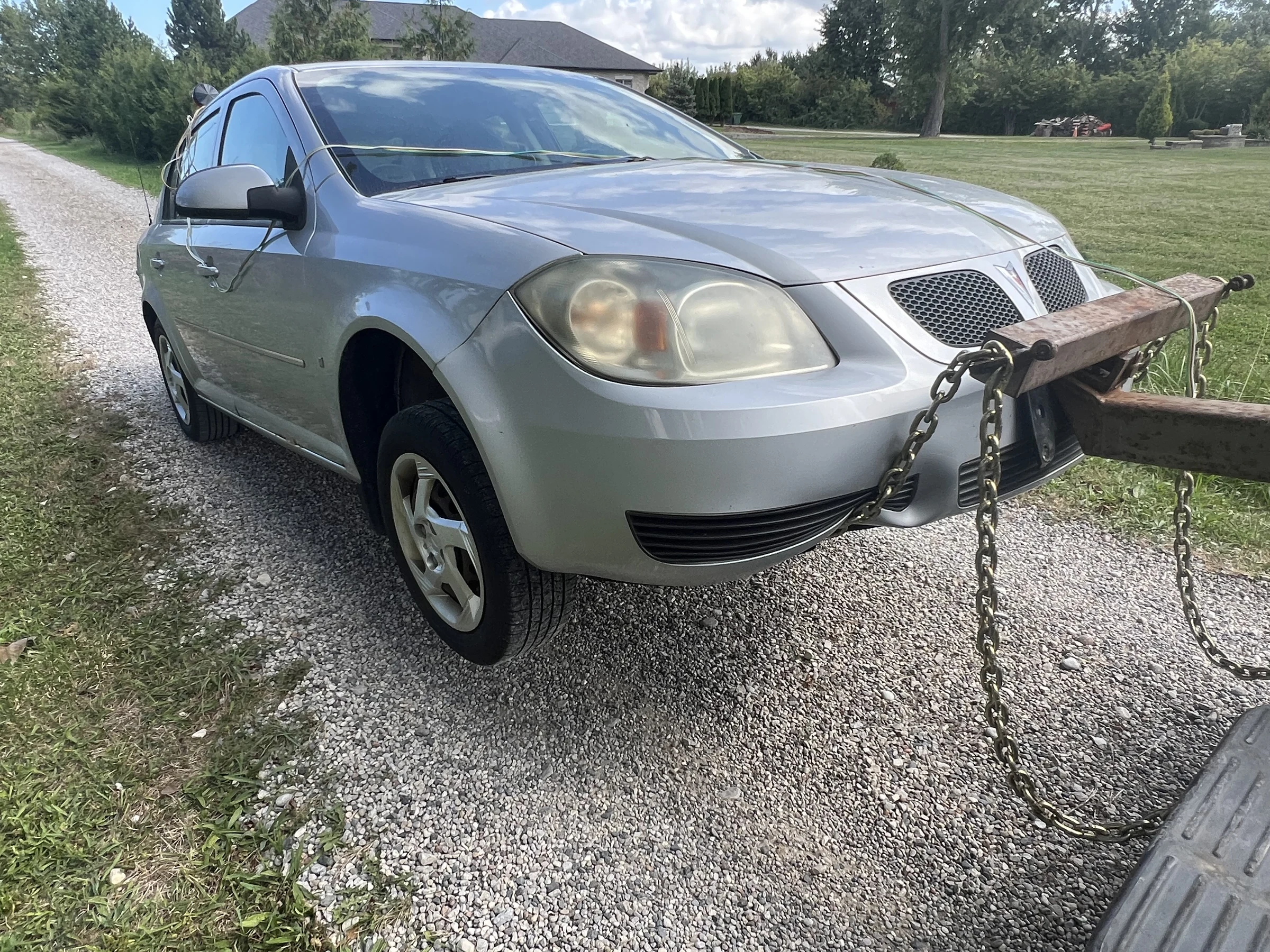
A vehicle that has not moved in years rarely needs to be made roadworthy before it can be sold for recycling. The useful job is to document what changed while it sat and make the property safe to access. A truthful checklist gives Twin Rivers Auto Recycling enough information to assess the pickup without asking you to repair a car you are trying to remove.
Look around the vehicle before touching it
Walk the area in daylight. Check whether the tires are flat, wheels have sunk into soil, branches have grown around the body or another vehicle blocks the route. Look for broken glass, sharp metal and obvious fluid stains. Do not crawl underneath or test unstable supports.
Do not assume it will roll because it once did
Brakes can seize, tires can separate and steering can lock after long storage. Tell the buyer whether all wheels are present and whether you know when it last moved. Do not tow it with a chain, jack it on soft ground or force a wheel free simply to prepare for pickup. A photo of each wheel and one wide access photo are safer and more useful.
Treat leaks, batteries and pests as information
Old batteries may leak or have damaged cases. Fuel, oil or coolant stains should be described, not washed into the ground. If animals or insects have nested inside, mention that before anyone opens the cabin. You do not need to drain fluids or remove the battery for Twin Rivers Auto Recycling to discuss the vehicle.
- Keep children and pets away from broken glass or leaking areas.
- Do not start a vehicle with damaged wiring, flood evidence or a strong fuel smell.
- Remove personal property only when the interior is safe to enter.
Find keys and ownership records
Keys can help with steering and access, but a missing key does not end the conversation. Ownership proof is separate. Look for the Manitoba registration card, an older bill of sale and the VIN. If the MPI document is missing, use the lost ownership paperwork guide rather than signing from memory.
Show the route from the road
A long-parked car may be behind a shed, inside a garage or beyond a soft field. Measure tight gates only if it is easy and safe. Photograph slopes, trees, fences and the approach. Seasonal access can matter more than whether the engine runs.
Ask for an assessment based on today's condition
Use the quote form to provide the year, make, model, location and condition choices. Add what the checkboxes cannot show: how long it sat, whether wheels are buried, and what blocks the route. Twin Rivers Auto Recycling can then discuss price and pickup for the vehicle that exists now, not the one that was parked years ago.