How to Sell a Flood-Damaged Car Safely
By Twin Rivers Auto Recycling · 2 September 2026 · 66 views
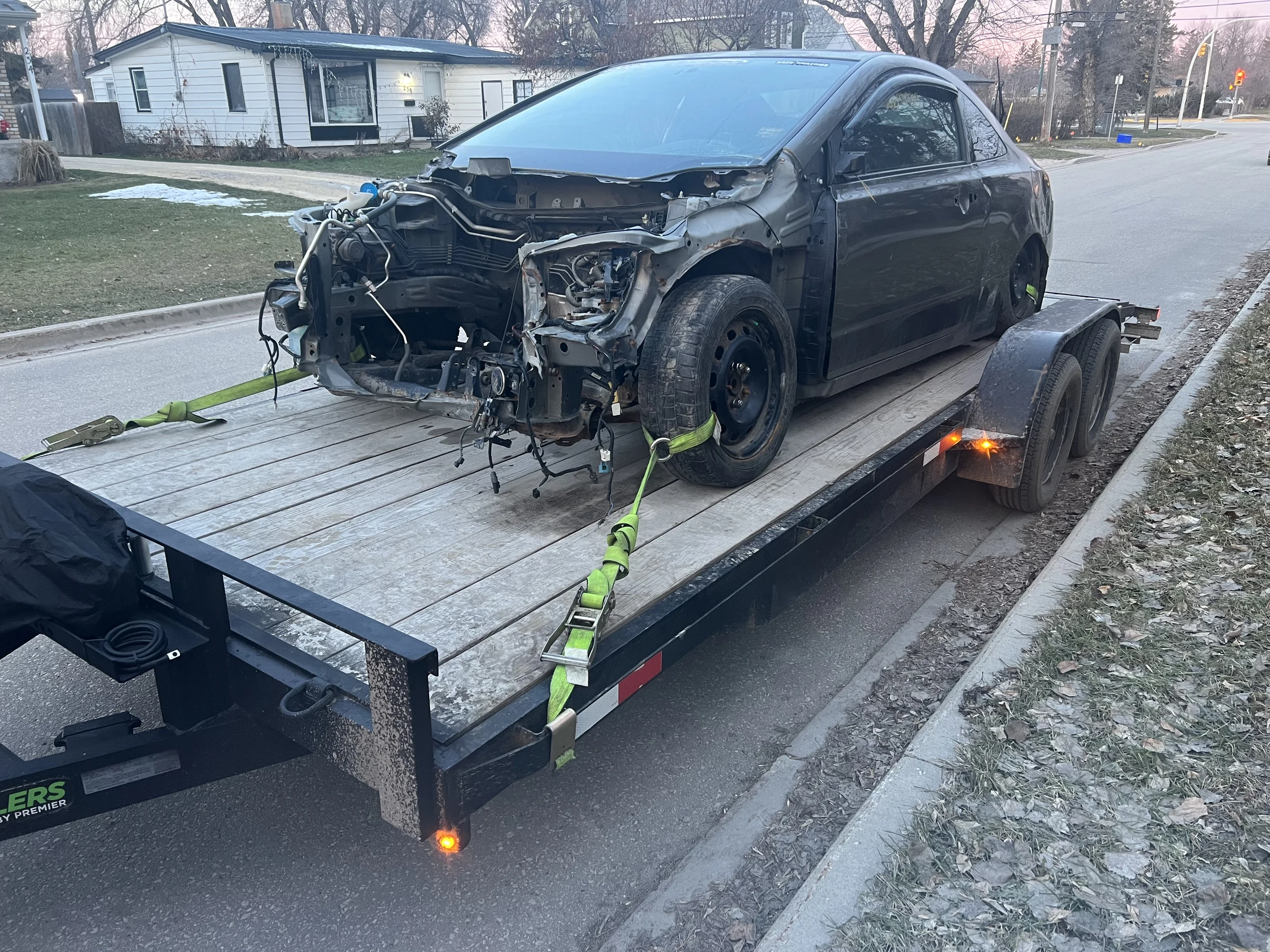
A flood-damaged vehicle can look dry while corrosion, contaminated fabric and electrical faults remain hidden. The safest sale starts with disclosure, not an attempt to prove the engine still runs. Twin Rivers Auto Recycling can discuss an end-of-life vehicle, but an insurer and MPI control claim and vehicle-status decisions.
Do not start it merely for the quote
Water can reach wiring, control modules and safety systems. MPI warns that flood damage may cause corrosion and malfunction in important features such as airbags, and may leave mould or other toxins. Leave the vehicle off if starting it could create a risk. Tell Twin Rivers Auto Recycling when it last ran instead.
Record how high the water reached
Photograph the outside water line if one remains, the footwells, seats, trunk and engine area from safe positions. Note whether the water was fresh, muddy or contaminated if you know. MPI's flood-damage warning identifies musty odours, mud or rust in hidden areas and a water line under the hood as signs worth checking.
Resolve the insurance and vehicle-status question
If there is an open claim, ask the insurer who owns the vehicle and whether you may sell it. Do not arrange a second sale after ownership has transferred to an insurer. If MPI assigned a status, disclose it. Its Salvage vehicle status page explains that irreparable vehicles are for parts only and cannot return to public roads.
Describe hazards and access honestly
- Say whether mould, silt, fuel smell or broken glass is present.
- Report flat or missing wheels and whether steering is locked.
- Show soft ground, standing water, snow, gates and narrow approaches.
- Keep people out of an interior that causes irritation or feels unsafe.
Do not pressure-wash contaminated residue into soil or a drain. Do not remove parts or drain fluids solely to make the vehicle look better for a quote.
Prepare ownership proof and personal items
Gather the Manitoba registration card or other MPI-approved ownership document. Remove personal papers and belongings only if the cabin is safe to enter. Retain the licence plates and follow the insurer or Autopac agent's instructions for ending or transferring coverage.
Request a flood-aware pickup assessment
Use the Twin Rivers Auto Recycling quote form and select fire or flood damage. Add the water level, current location, claim status and access notes. For a vehicle sitting outside long after the flood, also read the long-parked vehicle checklist. Clear facts let the team decide what it can handle without an unsafe test start or a made-up promise.