Why Scrap Metal Prices Affect What You Get for a Junk Car in Manitoba
By Twin Rivers Auto Recycling · 15 September 2026 · 1 view
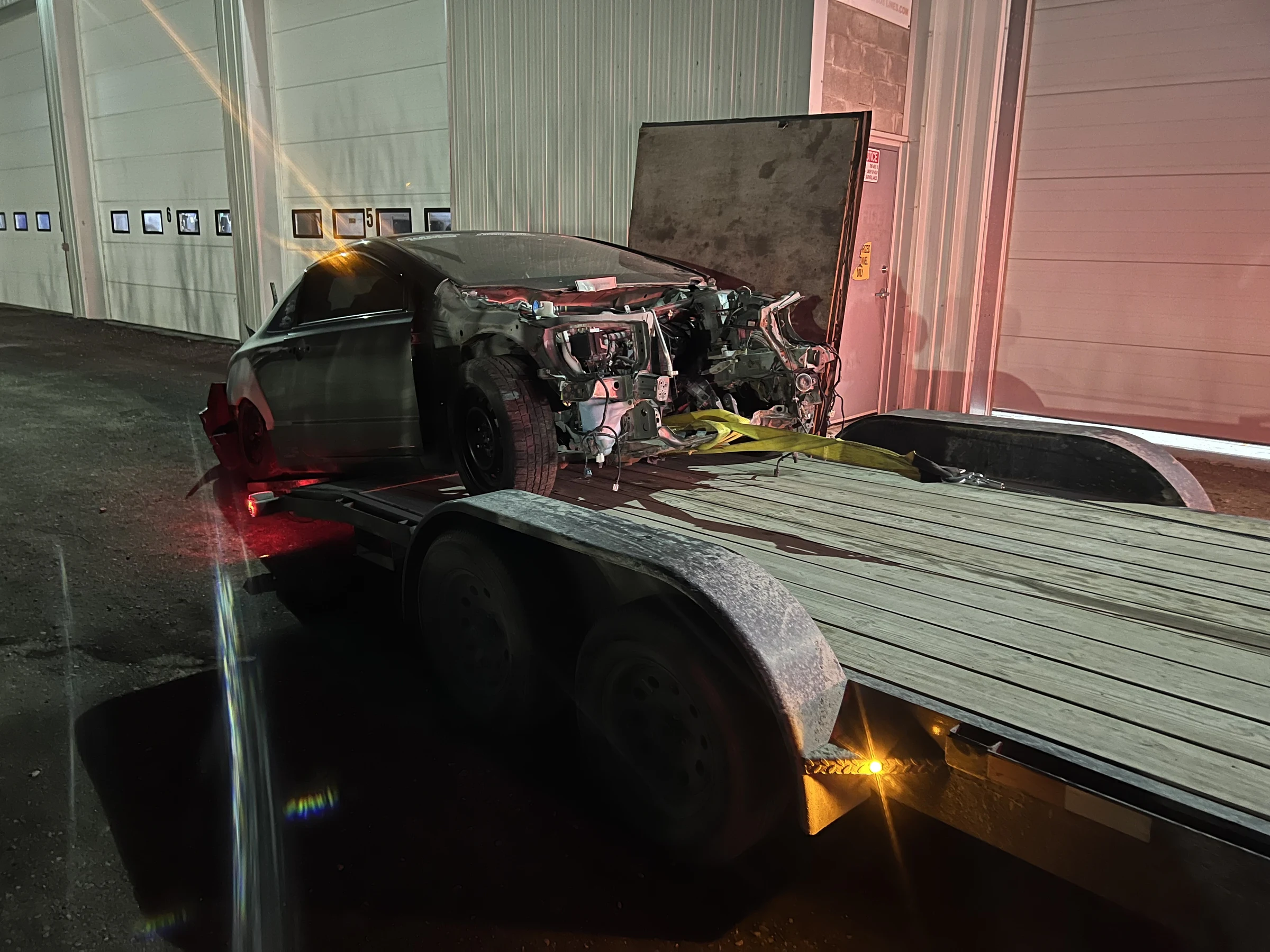
Scrap metal prices are one of the main reasons a junk car’s value can change. When a vehicle is recycled, its materials have a value that moves with the market. The amount you receive can also depend on the vehicle’s weight, what parts are present, whether it can be loaded safely, and the details of the pickup.
That does not mean you need to track commodity markets before asking for a quote. It helps, however, to understand why two similar-looking vehicles may receive different offers, or why a quote can change over time.
What scrap metal prices have to do with a junk car
A vehicle is more than a car that no longer runs. Once it reaches an auto recycler, it can be sorted, processed and directed toward different recycling streams. The steel body and frame make up much of the vehicle’s overall material, while smaller amounts of other metals and reusable components may also affect the assessment.
When the market value of those materials rises, the recyclable material in a vehicle may be worth more. When prices fall, the same vehicle may return less. This is why a junk car quote is not based only on its age, make or appearance.
Market conditions are only part of the picture. A recycler still has to consider the vehicle itself and the practical work involved in handling it.
Why vehicle weight and materials matter
Heavier vehicles generally contain more metal than small cars, but weight alone does not determine the final amount. A vehicle’s construction, condition and completeness can all affect how its material is assessed.
For example, the following details may matter:
- Overall size and weight: A full-size vehicle may contain more recyclable material than a compact car.
- Metal content: The body, frame and other metal components contribute to the vehicle’s scrap value.
- Non-ferrous materials: Some parts contain metals that are assessed differently from ordinary steel.
- Completeness: A vehicle with major components removed may not be valued the same way as a more complete vehicle.
- Condition: Severe rust, fire damage or a vehicle seized in place can change the handling requirements.
This is why the year and model provide useful starting information, but they are not enough on their own to determine what a junk car is worth.
Why a non-running vehicle can still have value
A car does not have to start to contain recyclable material. A blown engine, a seized drivetrain, missing keys or long-term outdoor storage do not automatically make the vehicle worthless.
They can affect how the vehicle is moved and loaded, though. A car that does not roll may require different equipment or more planning than one that can be placed in position easily. That practical work can form part of the overall assessment, along with the current value of the vehicle’s materials.
Twin Rivers Auto Recycling handles vehicles that are non-running or missing keys, including vehicles that are seized, badly rusted or difficult to move. Describe the vehicle honestly when requesting a quote. Clear information helps the TRA team understand what is actually at the property.
Why quotes can differ between vehicles and dates
People sometimes compare a quote for one junk car with a quote for another and assume the difference is only the scrap-metal rate. In practice, several factors may be involved.
- The vehicles may have different weights or amounts of usable material.
- One vehicle may be more complete than the other.
- One may be easy to access while the other is behind equipment, in soft ground or tight to a building.
- The vehicles may be in different conditions, such as running, rolling, seized or heavily rusted.
- Scrap markets may have changed between the dates of the quotes.
A quote should therefore be viewed as an assessment of the specific vehicle and pickup situation, not as a permanent price for every car of the same make or age.
What to have ready before asking for a quote
You can make the process clearer by gathering a few basic details first. You do not need to know the vehicle’s scrap weight or current metal rate.
- Note the year, make and model if you know them.
- Explain whether the vehicle runs, rolls and has its keys.
- Identify major issues such as a seized engine, severe rust or missing parts.
- Describe where the vehicle is sitting and whether a truck can reach it.
- Have ownership paperwork available if you have it. If paperwork is missing, ask about the situation rather than assuming the vehicle cannot be handled.
- Send clear photos when requested, showing the vehicle and the access around it.
Accurate details are especially useful for farm equipment, work trucks, vans and vehicles stored on rural properties. The TRA team also handles fleet and commercial clear-outs, where several vehicles or units may be assessed together.
Getting a junk car quote in southern Manitoba
Twin Rivers Auto Recycling buys vehicles across southern Manitoba, including Niverville, Steinbach, Île-des-Chênes, St. Adolphe, Landmark and Winnipeg. Pickups are also arranged in places such as Morden, Morris, Oakbank, Selkirk, Winkler, La Salle, Stonewall and Beausejour, along with other listed service areas.
Free pickup on most vehicles is available, subject to the vehicle and site details. Route, loading space and ground conditions can matter, particularly for non-running vehicles and rural properties.
For a local assessment, contact Twin Rivers Auto Recycling at 431-444-2277. Tell the TRA team what you know about the vehicle, its condition and its location. Whether it is an unwanted car in Niverville, a work vehicle near Steinbach or an old unit outside Winnipeg, a straightforward description is the best place to start.