What to Expect When the Vehicle Is Buried in the Yard
By Twin Rivers Auto Recycling · 23 September 2026
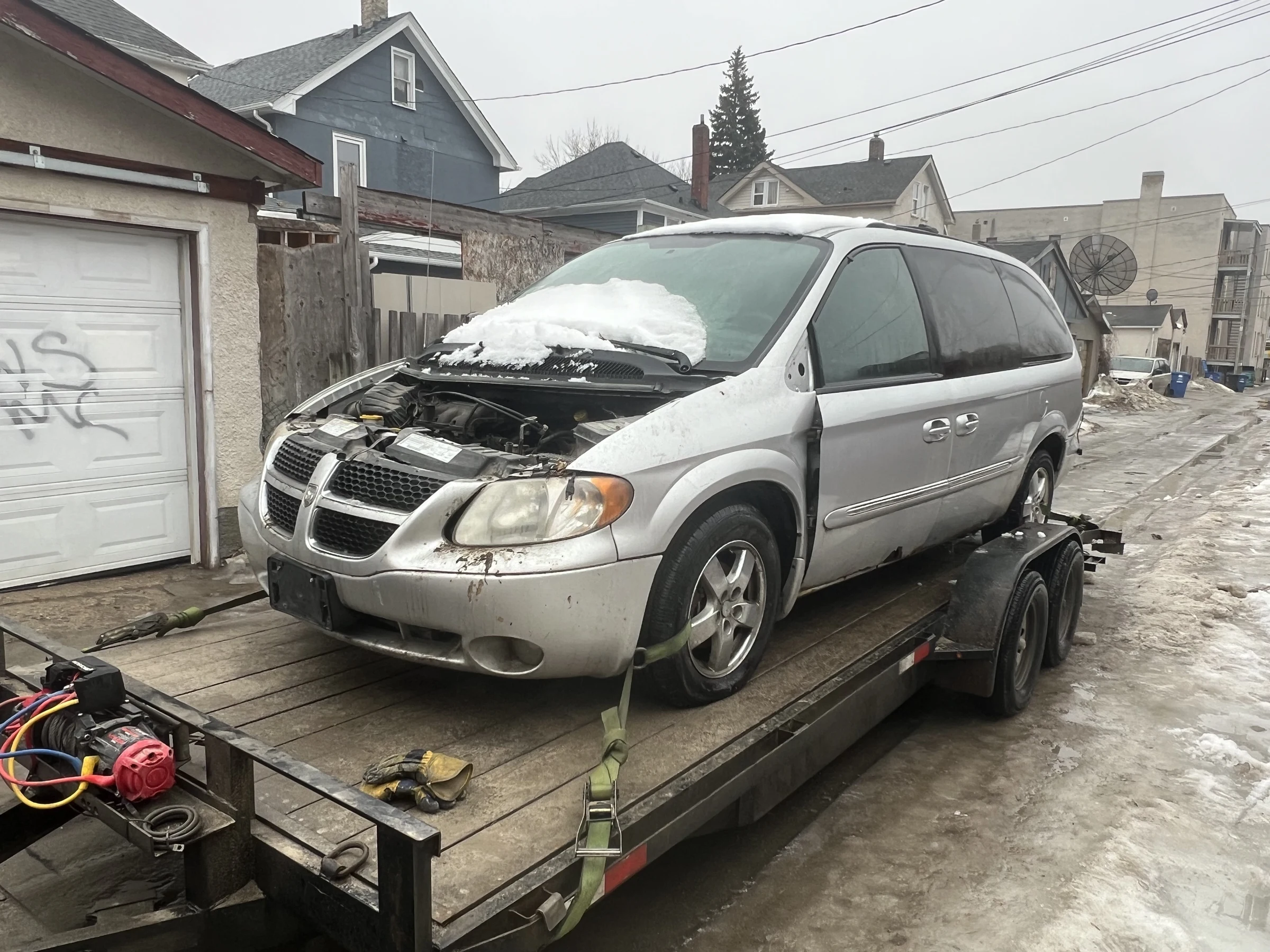
If an old vehicle is buried in soil, snow, brush, or long-settled yard debris, do not assume it can be handled like a normal roadside pickup. Twin Rivers Auto Recycling can review the situation, but the TRA team will need clear details about where the vehicle sits, how much of it is visible, and whether loading access is available. Free pickup is available on most vehicles, while a buried vehicle may require more planning before a pickup can be confirmed.
Start with a safe look at the vehicle
Before contacting a vehicle buyer or recycler, look at the site from a safe distance. You do not need to uncover the entire vehicle to begin the conversation. The useful first step is to identify what can be seen and what surrounds it.
- Which part of the vehicle is above ground?
- Is it buried in soil, covered by brush, or blocked by other materials?
- Can you see the wheels, frame, or a solid loading point?
- Is the vehicle beside a fence, building, ditch, tree line, or other obstruction?
- Can a vehicle-accessible path reach the property and the buried vehicle?
Avoid climbing into an unstable excavation or using improvised equipment to pull the vehicle free. Old body panels, glass, soil, and surrounding structures can create hazards. If the vehicle has been in the ground for years, conditions may not be obvious from the surface.
What the TRA team needs to know
Photos and accurate site information make the first conversation more useful. Send wide photos that show the property approach, driveway, yard, and the vehicle’s position. Add closer photos of the visible portion of the vehicle. If there is a safer way to view the site from another angle, include that as well.
When you contact Twin Rivers Auto Recycling, be ready to explain:
- The exact pickup address or a map pin.
- How the vehicle became buried and approximately how long it has been there.
- Whether the vehicle is complete, partly dismantled, or surrounded by other scrap.
- Whether the keys are available and whether ownership paperwork is available.
- Whether a truck or loading equipment can approach the vehicle.
- Any soft ground, narrow gates, overhead obstacles, fencing, or seasonal access concerns.
These details help the TRA team decide whether the site can be reviewed for pickup and what additional information is needed. Do not guess if you are unsure. A clear description of the property is more helpful than a confident but incomplete answer.
Why access matters more than whether the vehicle runs
A buried vehicle may not start, and that alone does not make it unsuitable. Twin Rivers Auto Recycling works with non-running vehicles, vehicles without keys, and vehicles that are seized, badly rusted, or not rolling. The main question with a buried vehicle is how it can be reached and loaded safely.
Access can be affected by:
- The depth and angle of the vehicle in the ground.
- The condition of the soil around it.
- Whether the vehicle is resting against a structure or another object.
- The amount of room available for a loading approach.
- Whether the route across the property is firm and clear.
Do not dig around the vehicle and then assume the job is ready. Removing soil can change ground stability and may expose sharp metal, glass, or other buried material. The TRA team can review the information you provide and discuss the next practical step rather than treating the request as a standard driveway pickup.
Paperwork and ownership still matter
A vehicle that has been out of sight for years may be missing its ownership document. That is a common reason vehicles sit for a long time, but missing paperwork does not automatically mean the situation cannot be addressed. Ask Twin Rivers Auto Recycling before assuming the vehicle is stuck for good.
Have any available ownership information ready, along with the vehicle identification details if they can be found safely. If you do not have keys, mention that when you make contact. The TRA team handles vehicles with missing keys, but knowing this in advance helps create a more accurate picture of the job.
If the vehicle is on property that you do not own or control, resolve permission questions before arranging pickup. The person requesting service should be able to confirm that the vehicle can be removed from the site.
What happens after you contact Twin Rivers Auto Recycling
- Share the site details. Provide the address, photos, vehicle information, and a description of the access route.
- Explain the burial conditions. Tell the TRA team whether the vehicle is partly covered, fully surrounded by soil, in a treeline, or blocked by other material.
- Review what is practical. The team can consider the vehicle’s condition, the property approach, and the available loading space.
- Confirm the next step. If the site can be planned for pickup, the details can be reviewed before arrangements are made. If more access work or information is needed, ask what should be addressed first.
For a buried vehicle, a useful first call is about more than getting a quick yes or no. It is about matching the vehicle’s condition with the actual site conditions. That helps avoid an unsuccessful visit and gives you a clearer understanding of what must happen next.
Local help for buried vehicles in southern Manitoba
Twin Rivers Auto Recycling is based in Niverville and serves vehicle owners across southern Manitoba. The TRA team can review requests from places including Steinbach, Île-des-Chênes, St. Adolphe, Landmark, Winnipeg, Morden, Morris, Oakbank, Selkirk, Winkler, La Salle, Stonewall, Beausejour, Ste. Agathe, Lowe Farm, Headingley, St. Malo, La Broquerie, St-Pierre-Jolys, Lac du Bonnet, and Portage la Prairie.
Whether the vehicle is buried behind a farmyard, settled into a treeline, or blocked at the edge of a rural property, start with the location, photos, and access details. Call Twin Rivers Auto Recycling at 431-444-CARS (2277) and explain what is visible. The team can tell you what information is needed to review the pickup properly. Free pickup is available on most vehicles, subject to the vehicle and site conditions.