End-of-Life Vehicle Rules in Manitoba: What Sellers Should Check
By Twin Rivers Auto Recycling · 25 August 2026 · 71 views
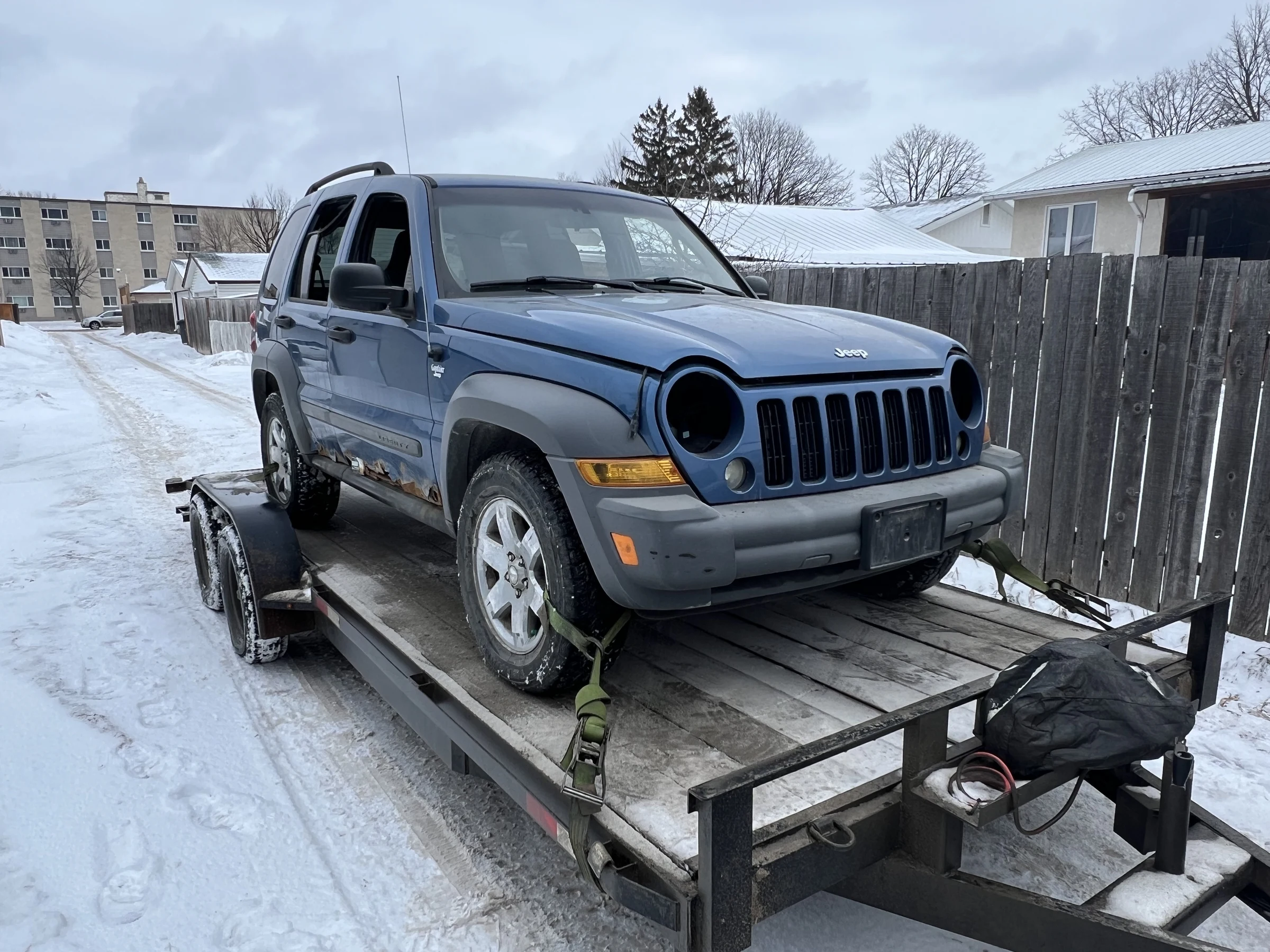
Manitoba does not reduce an end-of-life vehicle sale to one form or one rule. The seller should separate five questions: who owns it, what MPI status it carries, whether it may be driven, what happens to the plates and insurance, and whether the property or transaction has another legal requirement.
Ownership comes before condition
A vehicle can be rusted, stripped or unable to start and still have an ownership record. MPI says only the legal owner has the right to sell or dispose of a vehicle. The Transfer of Ownership Document is part of the Manitoba registration card, and MPI can provide an Ownership Document for an unregistered vehicle on request.
An estate, lien, joint ownership or out-of-province document can change what is required. Those questions belong with MPI, an Autopac agent or a qualified legal adviser, not with a generic online checklist.
Vehicle status affects what can happen next
MPI assigns status to vehicles that have been written off. Its salvage vehicle guidance distinguishes salvageable vehicles from irreparable vehicles. A salvageable vehicle may return to the road only after the required inspections. An irreparable vehicle cannot return to public roads and is for parts only.
Tell Twin Rivers Auto Recycling if an insurer wrote the vehicle off or if the registration shows a status. Do not describe a vehicle as roadworthy because it starts, and do not attempt to drive a vehicle whose registration, insurance or safe condition is uncertain.
Plates and coverage stay with the seller
MPI's private-sale guidance says the seller retains the licence plates after the sale and cancels or transfers Autopac coverage. Remove personal documents and plates before the vehicle leaves, unless an Autopac agent has given different instructions for the specific transfer.
Scrap transactions have record rules too
Manitoba's Scrap Metal Act guidance explains recordkeeping and payment rules that apply to regulated scrap transactions. Those dealer obligations do not replace the seller's need to establish ownership. Expect a legitimate buyer to ask for identification and vehicle information rather than treating an anonymous handoff as normal.
Municipal property rules are local
A municipality may regulate derelict or unlicensed vehicles on property, but the details are not identical across Manitoba. If you have received a notice, use the issuing municipality's contact information and deadline. A recycler cannot cancel a bylaw notice or authorize disposal of a vehicle you do not own.
A practical order for sellers
- Confirm the legal owner and collect the current MPI document.
- Check vehicle status and any lien or estate issue.
- Retain the plates and arrange the correct Autopac change.
- Describe condition and access accurately.
- Use the Twin Rivers Auto Recycling quote form or call only after separating facts from assumptions.
For the pickup side rather than the legal overview, start with the Winnipeg scrap-car guide.