What Happens to the Fluids in a Scrapped Vehicle?
By Twin Rivers Auto Recycling · 15 October 2026 · 6 views
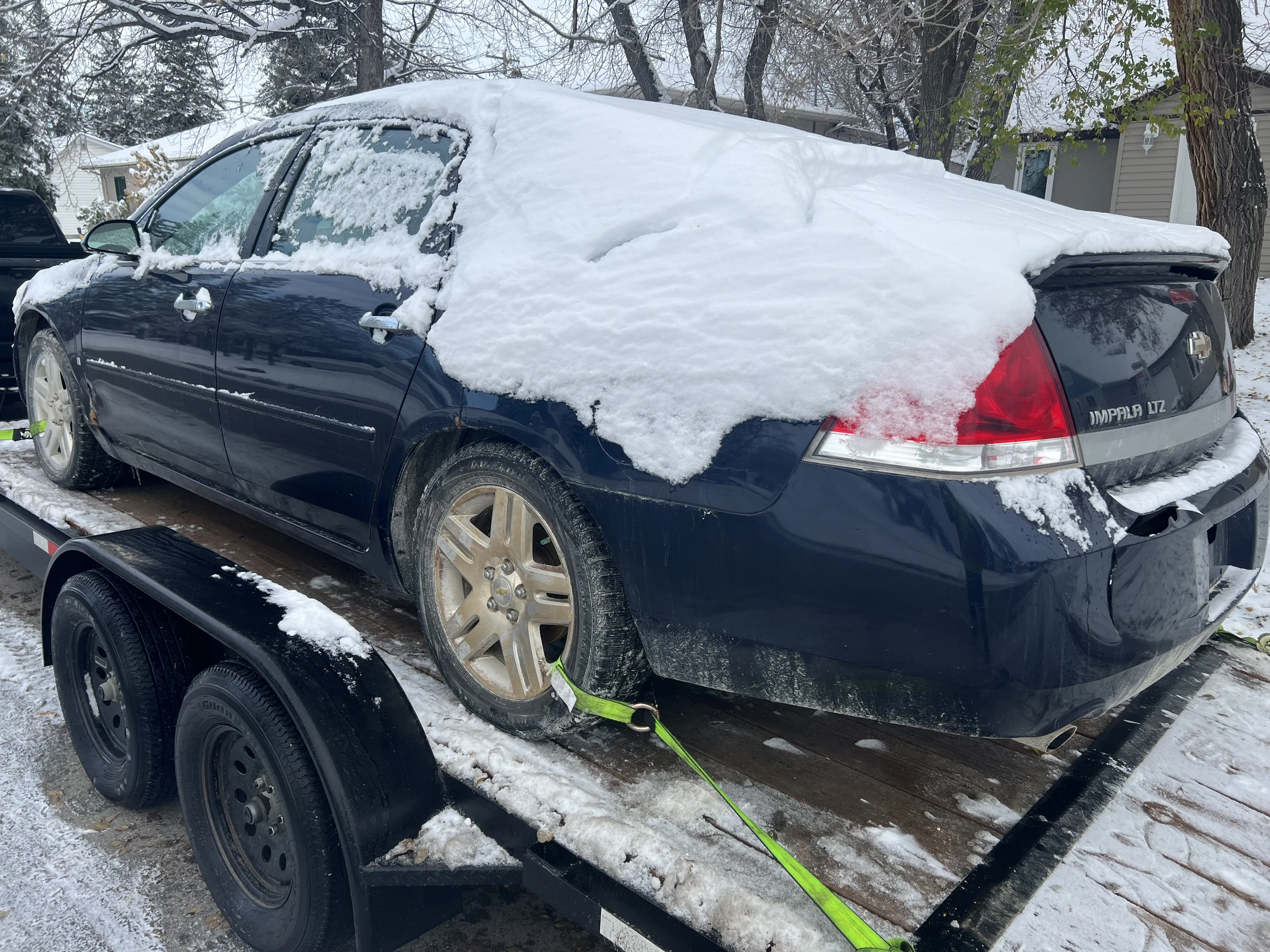
When a vehicle is scrapped, its fluids should not be left to leak into the ground or mixed with ordinary scrap metal. Engine oil, coolant, fuel and other liquids need to be identified, removed and managed separately before the vehicle is dismantled or processed. If you are preparing an unwanted vehicle for recycling in Niverville, Steinbach, Winnipeg or another southern Manitoba community, do not drain it yourself. Leave the fluids in place and tell the recycler what you know about the vehicle.
At Twin Rivers Auto Recycling, the TRA team buys vehicles in many conditions, including seized, blown, badly rusted and non-running vehicles. Free pickup on most vehicles can make it easier to remove a vehicle without trying to get it started or move it under its own power.
Which fluids can be found in an end-of-life vehicle?
A vehicle may contain several different fluids, even if it has not been driven for years. Common examples include:
- Engine oil: Found in the engine and sometimes in related components.
- Coolant: Used in the cooling system and often visible in the radiator or expansion tank.
- Fuel: Gasoline or diesel may remain in the tank and fuel lines.
- Transmission fluid: Present in automatic transmissions and some other drivetrain components.
- Brake fluid: Held in the brake master cylinder and lines.
- Power-steering fluid: Found in vehicles equipped with hydraulic power steering.
- Windshield washer fluid: Usually less hazardous than other vehicle fluids, but still not something to pour onto the ground.
The exact amount depends on the vehicle, its age, its condition and whether it has leaked already. A car that has sat in a yard may still have fluid in its systems even if it no longer runs.
What happens before the vehicle is recycled?
Fluids are dealt with before the vehicle is reduced to scrap. The vehicle is assessed, and its systems are checked for liquids that need to be removed or contained. Those liquids are kept apart from the metal and other recyclable material rather than being allowed to spread through the yard or onto a loading area.
This step matters for two reasons. First, liquids can create a mess and damage soil or pavement if they leak. Second, mixing fluids makes them harder to manage properly. Keeping them separate supports a cleaner recycling process and helps prevent avoidable spills during dismantling, loading and transport.
A vehicle does not need to be running for this work to be possible. It may be seized, missing keys, blown, rusted to the frame or unable to roll. Give the recycler an honest description of the condition, including visible leaks, a damaged fuel tank or a vehicle that has been sitting for a long time.
Why you should not drain the fluids yourself
Draining a vehicle at home can expose you to slippery, irritating or flammable liquids. It can also create a spill that is difficult to clean up, especially on gravel, soil or a sloped driveway. A vehicle may hold more fluid than expected, and some liquids can remain in lines or components after the main tank or reservoir appears empty.
Do not puncture the fuel tank, remove hoses or tip a vehicle onto its side to get the fluids out. Do not pour oil, coolant, fuel or brake fluid into a drain, ditch, field or household garbage. If a vehicle is actively leaking, keep people and ignition sources away from the area and mention the leak when arranging removal.
For the same reason, avoid placing containers under a vehicle and leaving them where children, pets or wildlife can reach them. If there has already been a spill, describe what happened when you ask for advice. The safest next step depends on the fluid, the size of the spill and the surface it reached.
How to prepare a vehicle for fluid-safe pickup
You do not need to make a dead vehicle roadworthy before contacting a recycler. Instead, prepare useful information about the vehicle and the property:
- Explain whether it runs, rolls or has been sitting in one position.
- Say whether the keys are available.
- Point out visible leaks, damaged tanks or areas where fluid has pooled.
- Clear a practical approach for the loading equipment where possible.
- Keep people, pets and loose items away from the vehicle before pickup.
- Have ownership paperwork available if you have it, and ask if you are unsure what is needed.
Twin Rivers Auto Recycling also handles vehicles with missing paperwork, but it is worth asking before assuming a lost ownership document makes the vehicle impossible to recycle. The TRA team also works with fleet and commercial clear-outs and accepts information about farm equipment or implements that have been sitting for years.
Fluid handling when a vehicle has been sitting for years
Long storage does not mean a vehicle is empty. Hoses, seals and tanks can deteriorate, and a vehicle can begin leaking after it is moved. An old car in a treeline, a work van on a commercial lot or a pickup behind a farm building should be treated as a vehicle that may still contain fluids.
Tell the recycler where the vehicle sits and whether the ground is soft, uneven or difficult to access. This is especially useful for rural properties around Morris, Lowe Farm, St. Malo, La Broquerie and St-Pierre-Jolys. Similar details help with urban and suburban pickups in Winnipeg, La Salle, Headingley and Oakbank.
Arrange responsible vehicle recycling in southern Manitoba
If you have an unwanted vehicle in Niverville or elsewhere in the TRA service area, contact Twin Rivers Auto Recycling with the vehicle's condition, location and any known fluid concerns. The team serves communities including Steinbach, Île-des-Chênes, St. Adolphe, Landmark, Morden, Winkler, Selkirk, Stonewall, Beausejour, Ste. Agathe, Portage la Prairie and others across southern Manitoba.
Call 431-444-CARS (2277) or request a pickup quote. Do not drain the vehicle first; share the details so the TRA team can plan for a safe removal and handle the vehicle as an end-of-life vehicle rather than ordinary household scrap.