Recycling Rates for Vehicles in Canada: What the Numbers Mean
By Twin Rivers Auto Recycling · 22 October 2026
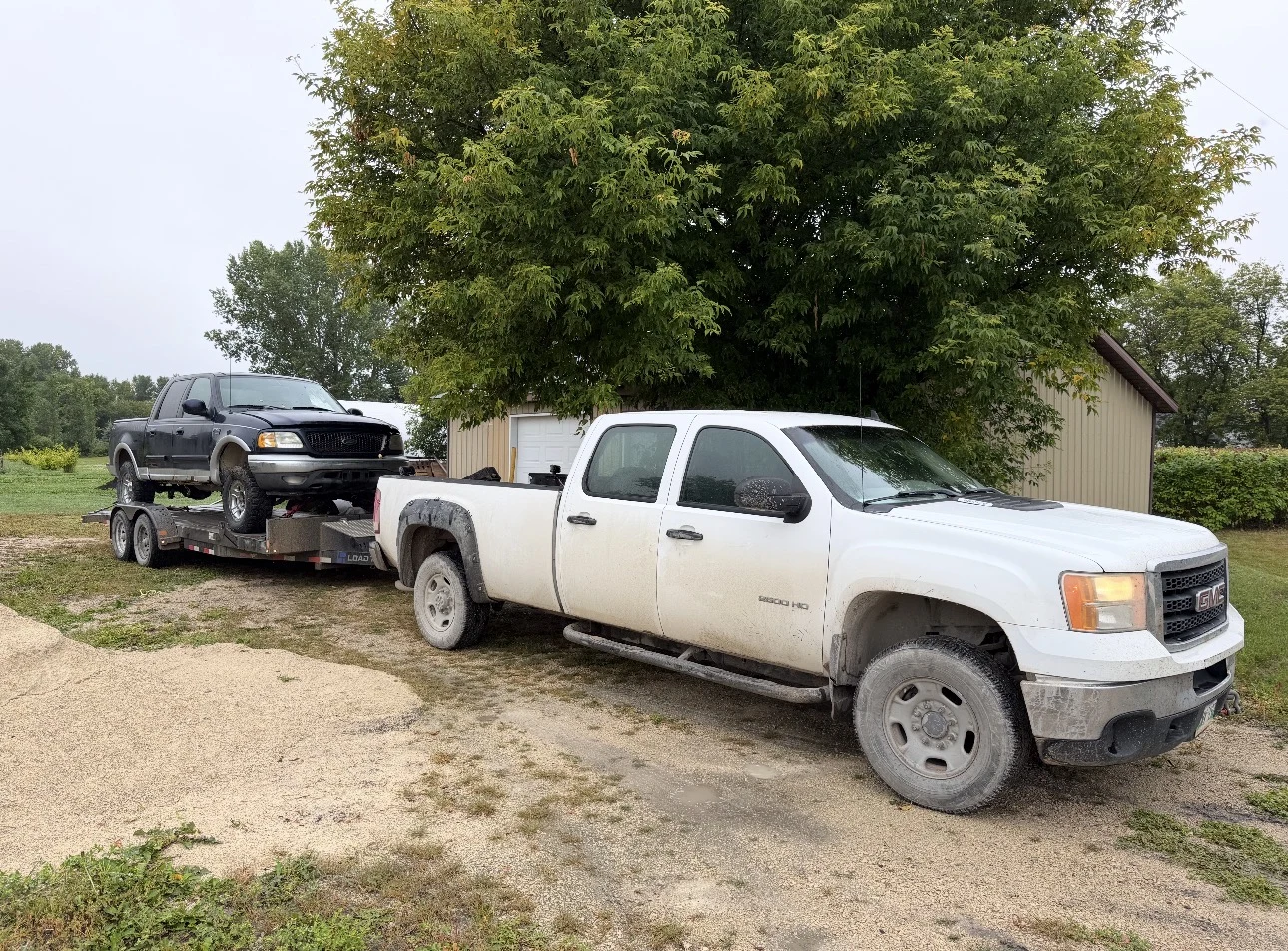
Vehicle recycling rates in Canada can be useful, but only when you know what a number is measuring. A rate may describe how many end-of-life vehicles enter a recycling system, how much material is recovered, or how much of a vehicle is diverted from disposal. It does not automatically tell you what your vehicle is worth or whether a recycler can pick it up.
For an owner in Manitoba, the practical question is usually simpler: can the vehicle be accepted, what information is needed, and what happens next? Twin Rivers Auto Recycling buys vehicles across southern Manitoba, including Niverville, Steinbach, Winnipeg, the Pembina Valley and nearby rural communities.
What a vehicle recycling rate can mean
The phrase “vehicle recycling rate” is not always used in the same way. Before comparing numbers, check what the source counts. A rate might refer to:
- The share of vehicles that reach an end-of-life recycling facility.
- The proportion of a vehicle’s materials recovered for reuse or processing.
- The number of vehicles diverted from disposal through dismantling, parts recovery or scrap processing.
- A result for a particular programme, province, vehicle group or reporting period.
These measures are related, but they are not interchangeable. A high material-recovery figure does not mean every vehicle part is reused. Likewise, a vehicle entering a recycling facility does not mean every component is recovered in the same way.
Why the number does not set your vehicle’s value
Recycling rates describe a system. A vehicle quote describes one specific vehicle and one specific pickup situation. Those are different questions.
The TRA team considers the details of the vehicle being offered, including whether it is running, whether keys are available, and what condition it is in. A seized, blown or heavily rusted vehicle may still be worth discussing. A vehicle does not need to start, and it does not need to roll for the team to review it.
The vehicle’s location and access also matter to the pickup plan. A car in a clear driveway is different from one behind other equipment, in a tight yard or on uneven ground. Sharing accurate site details helps the team understand what is involved before arranging a pickup.
What happens to an end-of-life vehicle
Recycling is not one single step. The route can vary depending on the vehicle and its condition, but the general purpose is to remove value from a vehicle that is no longer suitable for regular use.
- Reusable components may be identified where practical.
- Vehicles may be assessed for their overall condition and material value.
- Non-running, damaged or incomplete vehicles can still be reviewed.
- Vehicles are handled as part of an auto-recycling process rather than simply left on a property.
This is why broad recycling numbers should be read carefully. They describe the outcome of many vehicles moving through a system, while your own vehicle may have a different condition, ownership situation and access requirement.
How missing paperwork affects the process
Ownership paperwork is an important practical detail when a vehicle is being sold or removed. A missing document is a common reason a vehicle sits unused, but it does not always mean the situation cannot be resolved.
If paperwork is missing, mention it at the start. The TRA team can discuss the situation before you assume the vehicle is stuck. The team also needs honest information about the vehicle, its location and any access concerns.
Keys should be discussed too. Twin Rivers Auto Recycling handles vehicles with missing keys, including vehicles that do not run. Having no key can affect the loading plan, but it is not by itself a reason to stop the conversation.
Questions to ask when comparing recycling information
If you see a Canadian vehicle-recycling percentage or claim, ask a few basic questions before relying on it:
- Does the number refer to vehicles collected, material recovered or waste diverted?
- What type of vehicles and locations are included?
- Is the number based on one programme or a broader system?
- Does it describe environmental performance, vehicle acceptance or resale value?
- Can the source explain what happens to vehicles that are non-running, incomplete or missing keys?
These questions help separate a useful recycling measure from a number that sounds impressive but does not answer your particular concern.
Preparing a vehicle for recycling in Manitoba
You do not need to make a non-running vehicle operational before asking about recycling. Instead, gather the information that helps the TRA team review the job:
- Make, model and approximate year, if known.
- Whether the vehicle runs, rolls or is seized.
- Whether keys and ownership paperwork are available.
- The exact pickup location and the easiest way to reach the vehicle.
- Photos showing the vehicle and the available loading space, if requested.
- Any other vehicles, farm equipment or commercial units being cleared at the same property.
Twin Rivers Auto Recycling also reviews fleet and commercial clear-outs, work trucks, vans, multi-unit lots and farm equipment. Providing the full list at the beginning may make it easier to discuss the property as one job.
Arrange a local vehicle-recycling review
If you are in Niverville, the TRA team’s home base, or in communities such as Île-des-Chênes, St. Adolphe, Landmark, Steinbach, Morris, Winnipeg, La Salle, Oakbank, Selkirk, Morden or Winkler, contact Twin Rivers Auto Recycling with the vehicle details. Pickup planning is also available for other listed southern Manitoba areas, including St. Malo, La Broquerie, St-Pierre-Jolys, Lac du Bonnet and Portage la Prairie, subject to the site and route details.
Ask about your vehicle before relying on a general recycling percentage. Twin Rivers Auto Recycling offers free pickup on most vehicles. Call 431-444-CARS (2277) or request a pickup quote with the vehicle’s condition, paperwork status and exact location.