End-of-Life Vehicle Recycling in Manitoba: A Guide for Private Owners
By Twin Rivers Auto Recycling · 27 August 2026 · 63 views
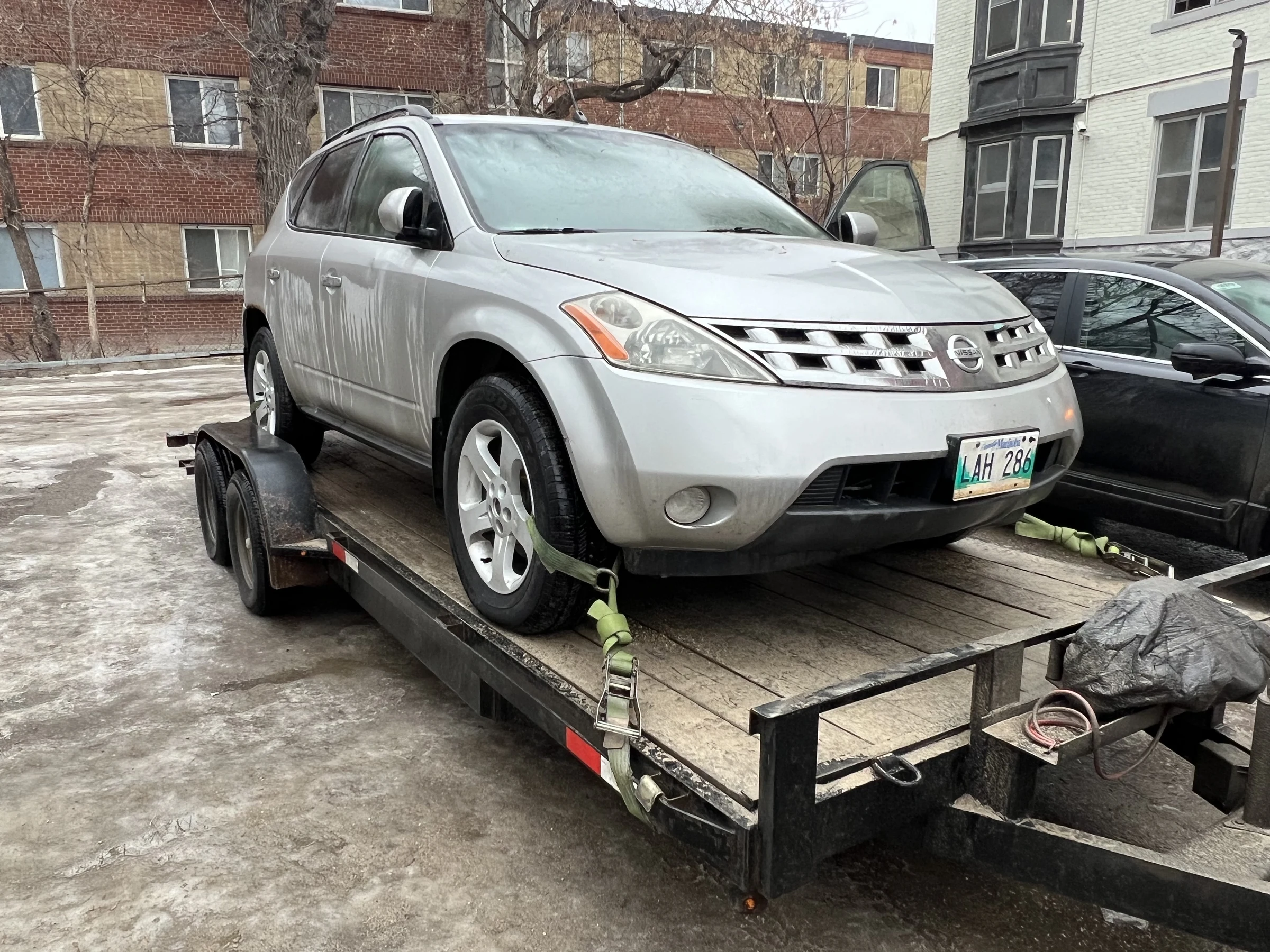
People use several names and abbreviations for end-of-life vehicle recycling. Rather than assume a specific benefit or government program applies, a private owner should focus on the steps that remain true: establish authority to sell, disclose the vehicle's status and condition, arrange safe transport, and ask how the recycler handles parts and materials.
Decide whether the vehicle is truly at end of life
A repair estimate, age or dead battery alone does not decide the vehicle's legal status. If MPI has written it off, check the recorded status. MPI's Salvage vehicle status page explains that salvageable vehicles may return to roads only after required inspections, while irreparable vehicles cannot return to public roads and are for parts only.
A recycler can quote a damaged vehicle, but should not promise that it can be registered again. Keep the insurer's decision and the recycling decision separate.
Establish authority to transfer it
Use the registration card and TOD when available. If the vehicle is unregistered, inherited, financed or missing its papers, ask MPI or an Autopac agent what evidence is required. The current MPI transfer guide covers ordinary and death-related transfers.
Give the recycler a condition record
List the year, make, model, VIN if accessible, keys and wheel condition. Photograph collision, fire, flood and missing-part damage. Show the ground and the route to the road. This record helps the recycler decide whether the vehicle fits its operation and how a pickup might be arranged.
Ask what happens after pickup
Responsible vehicle recycling begins by controlling fluids and other materials that should not spill into soil or water. Reusable components may be removed for parts. Steel, aluminum, copper and other recoverable materials can then move into material recycling streams. The exact process depends on the vehicle and facility, so ask the recycler what it does rather than relying on a generic program label.
- Who records the purchase and vehicle identity?
- How are fluids, batteries and tires handled?
- Are usable parts recovered before the remaining material is processed?
- What receipt or sale record will the owner receive?
Choose the practical next step
Twin Rivers Auto Recycling buys end-of-life vehicles and offers free pickup on most vehicles across its published service area. That does not make every vehicle or site automatic. Submit honest details through the quote form, ask how the specific vehicle will be handled, and verify current ownership or status questions with MPI before the handoff.