How End-of-Life Vehicles Affect Manitoba Groundwater
By Twin Rivers Auto Recycling · 8 October 2026
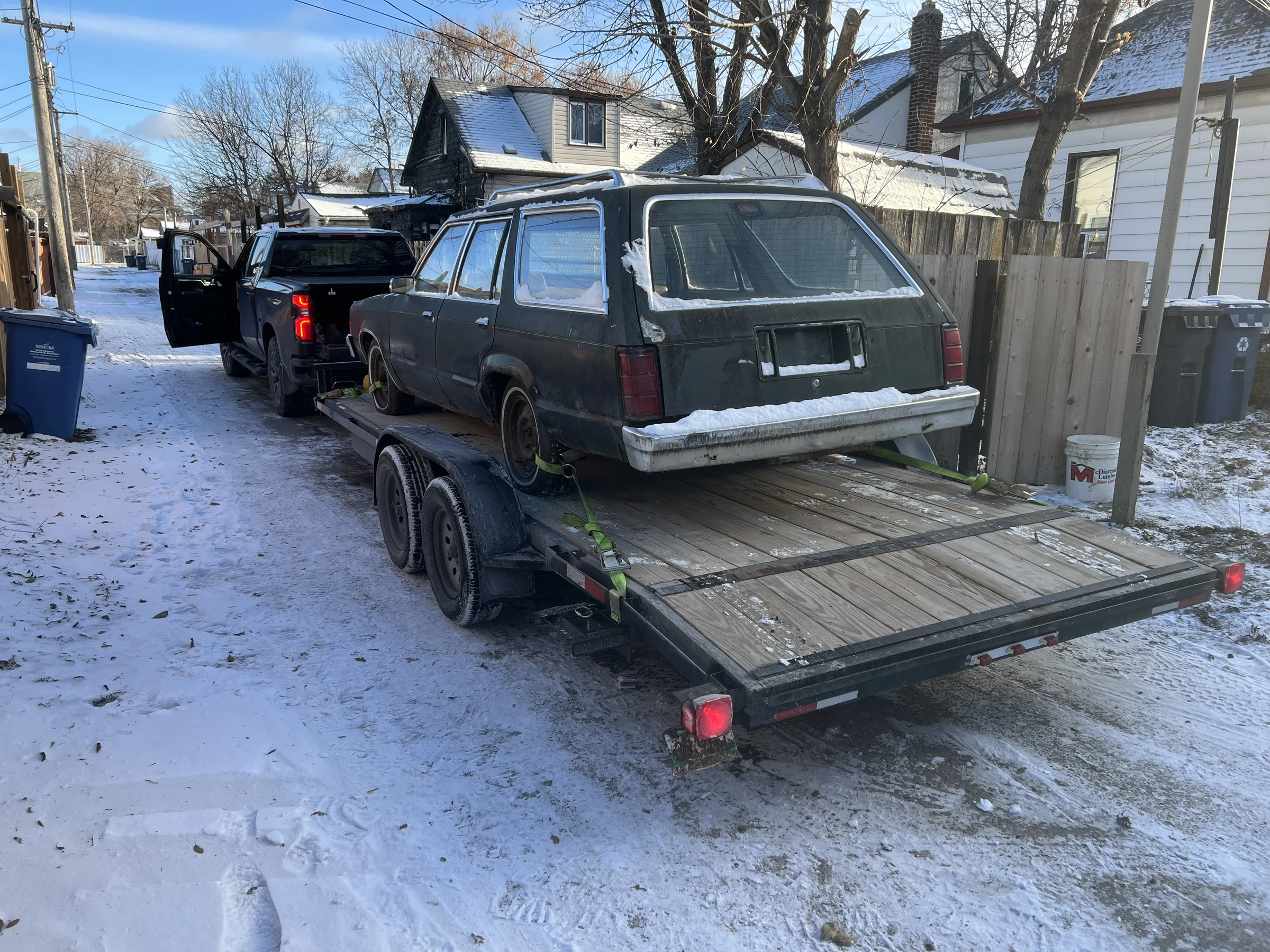
End-of-life vehicles can affect Manitoba groundwater when they are left outdoors for years, especially on bare ground or in areas where rain and snowmelt can carry spilled fluids downward. An old vehicle is not just a large piece of scrap: it may still contain fuel, oil, coolant, brake fluid, battery materials and other substances that should be managed carefully. Removing unwanted vehicles and sending them to an auto recycler helps reduce the time those materials remain exposed on a property.
For property owners in Niverville, Steinbach, Winnipeg and surrounding communities, the practical question is often simple: what should happen to a vehicle that no longer runs, has no keys or has been sitting in a yard for years?
Why an abandoned vehicle can become a groundwater concern
Groundwater is water held below the ground. It can move through soil and fractured rock, and it may connect with wells, drainage areas, wetlands and surface water. When a vehicle deteriorates outside, liquids can escape slowly rather than in one obvious spill.
Rain and melting snow can wash contaminants from the vehicle onto the surrounding soil. If the soil allows water to move downward, some of that material may travel below the surface. The risk depends on several conditions, including the vehicle’s condition, the fluids still present, the type of soil, the location of the vehicle and how long it remains there.
Fluids and materials that may be present
An end-of-life vehicle may contain several substances that do not belong in soil or groundwater. Even a vehicle that appears empty may retain small amounts in tanks, lines, housings or other components.
- Fuel: Gasoline or diesel can leak from a tank, fuel line or damaged component.
- Engine and transmission oil: These fluids may escape through worn seals, cracked parts or damage underneath the vehicle.
- Coolant: Antifreeze can leak from a radiator, hose or engine component.
- Brake and power-steering fluids: These may remain in their systems even when a vehicle no longer starts.
- Battery materials: A damaged or corroded battery should not be left to break down on bare ground.
- Metal and other vehicle parts: As components rust and deteriorate, residue can accumulate around the vehicle.
This does not mean every old vehicle will contaminate groundwater. It means that leaving one in place creates an avoidable source of potential contamination.
Why Manitoba conditions matter
Manitoba properties experience repeated cycles of snow, freezing, thawing and heavy rainfall. Those cycles can worsen corrosion and create new paths for fluids to escape. A vehicle that seemed dry when parked may leak later after rust weakens a tank, pan, hose or connection.
Ground conditions also vary across the province. A vehicle on compacted gravel may behave differently from one parked on soil, grass or a low-lying part of a rural property. A site near a private well, drainage ditch, creek or wet area deserves particular care because a spill may travel beyond the immediate parking spot.
Seasonal access is another practical issue. Snow, soft ground and changing driveway conditions can make an old vehicle harder to move safely. Addressing it before the next season of weather may prevent additional deterioration and make removal easier.
Signs an old vehicle should be removed
Consider arranging removal if you notice any of the following:
- Wet or dark patches beneath the vehicle.
- A strong fuel or chemical smell.
- Visible rust holes in the fuel tank, floor or engine area.
- Staining on soil, gravel or nearby vegetation.
- A battery that is cracked, swollen or heavily corroded.
- Parts or fluids washing away after rain or snowmelt.
- A vehicle sitting close to a private well, ditch, wetland or drainage route.
Do not crawl beneath an unstable vehicle or try to drain unknown fluids without the right equipment. Keep children and pets away from leaking vehicles, and avoid moving one if it could collapse, roll or create another spill.
What property owners can do
- Inspect the location. Note whether the vehicle is on bare soil, gravel, pavement, grass or a low area. Look for staining and standing liquid.
- Keep ignition sources away. Fuel vapours can be hazardous. Do not smoke or use open flames near a leaking vehicle.
- Do not pour fluids onto the ground. Any fluid removed from a vehicle needs appropriate handling rather than disposal in soil, a drain or a ditch.
- Take photos and record details. Photos can help describe the vehicle’s condition, access route and any visible leakage when arranging removal.
- Arrange responsible removal. A recycler can assess whether the vehicle is running, whether keys are available and what equipment or access may be needed.
Removing the vehicle does not automatically repair contaminated soil. If there has been a significant leak or a persistent fuel smell, seek advice from the appropriate environmental or municipal contact before disturbing the area.
Removing an end-of-life vehicle in southern Manitoba
Twin Rivers Auto Recycling buys vehicles across southern Manitoba, including Niverville, Steinbach, Île-des-Chênes, St. Adolphe, Landmark, Winnipeg, Morden, Morris, Oakbank, Selkirk, Winkler, La Salle, Stonewall, Beausejour, Ste. Agathe, Lowe Farm, Headingley, St. Malo, La Broquerie, St-Pierre-Jolys, Lac du Bonnet and Portage la Prairie.
The TRA team handles vehicles that are non-running or missing keys, including vehicles that are seized, blown, heavily rusted or unable to roll. Missing paperwork may also be workable, so it is worth asking before assuming a vehicle cannot be removed. The team also considers farm equipment, work trucks, vans and multi-unit cleanouts.
When contacting Twin Rivers Auto Recycling, provide the exact property location, the vehicle’s condition, whether it rolls, whether keys are available and any information about driveway or loading access. That helps the TRA team understand the site before planning the pickup. Free pickup on most vehicles is available. To discuss an unwanted vehicle and request a pickup quote, call 431-444-CARS (2277).