Getting Rid of a Car Before the Ground Freezes in Southern Manitoba
By Twin Rivers Auto Recycling · 14 September 2026
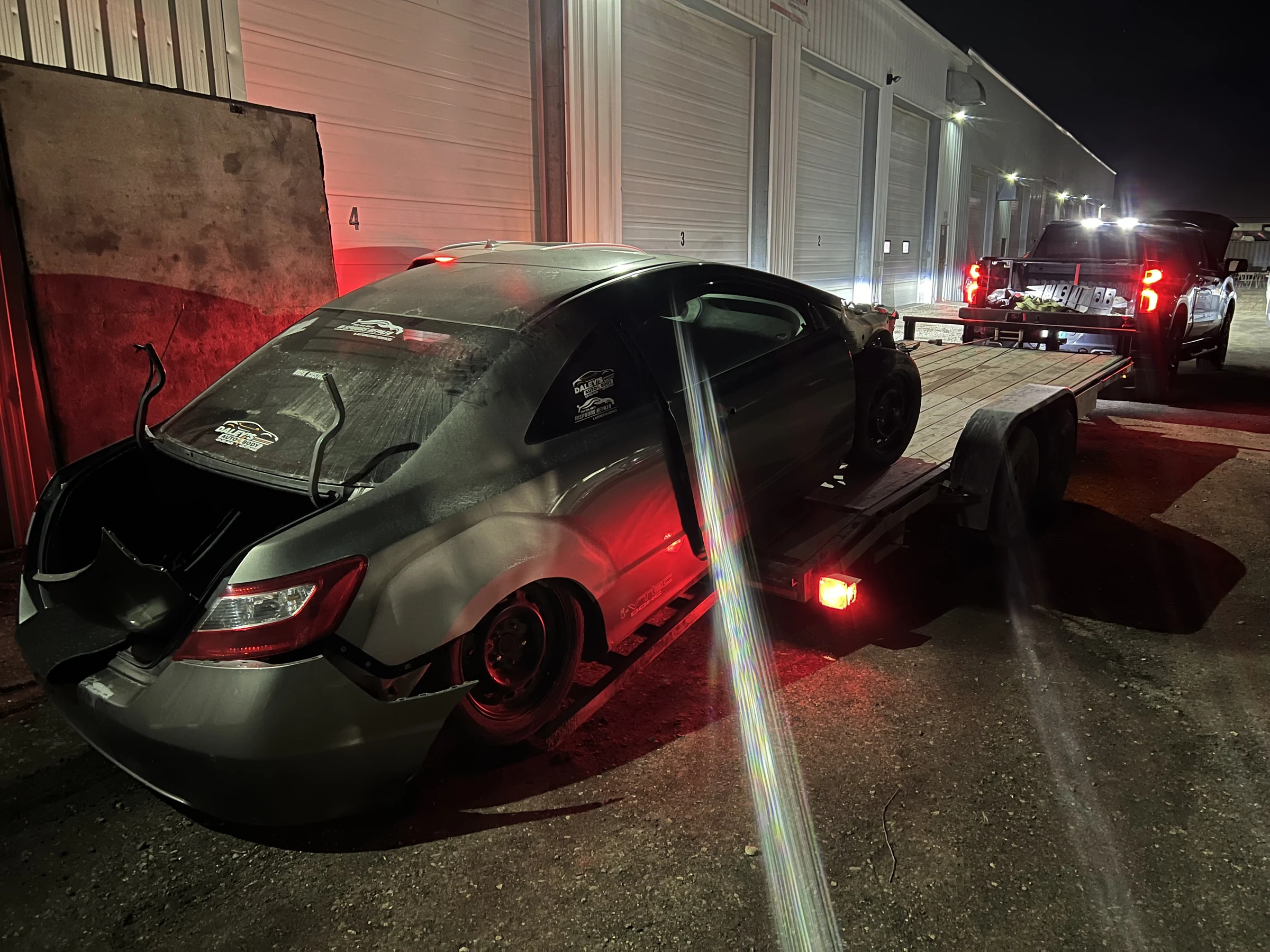
If an unwanted car is sitting in a yard, driveway, field, or treeline, arranging its removal before the ground freezes can make the job simpler. Plan the access, gather the vehicle details, and contact Twin Rivers Auto Recycling while the site can still be clearly checked. The TRA team offers free pickup on most vehicles across Niverville and other southern Manitoba communities.
Why deal with the vehicle before freeze-up?
A vehicle that is easy to reach in fall may be much harder to remove once the ground is frozen or covered with snow. Soft areas, narrow approaches, long grass, brush, and uneven ground are easier to inspect before winter conditions arrive. Clearing the vehicle now can also prevent it from becoming more difficult to find or access later.
Before arranging pickup, walk the route from the road or driveway to the vehicle. Look for:
- Low branches, fence sections, gates, or other obstacles
- Soft ground, ditches, ruts, or areas that may not support a vehicle
- Enough room for the pickup approach and loading work
- Other vehicles, trailers, equipment, or stored items blocking the path
- Whether the car is on private property and can be reached without crossing a neighbour’s land
If the vehicle is in a rural yard or behind a shop, send clear directions and explain the site conditions when you request a quote. A map pin, driveway description, and a few current photos can help the TRA team understand the approach.
Prepare the vehicle and the pickup area
You do not need to make an unwanted vehicle look presentable before asking about removal. It may be seized, badly rusted, missing wheels, or unable to roll. Twin Rivers Auto Recycling handles non-running vehicles and vehicles with no keys, including vehicles that do not start or roll.
There are still a few practical steps that can make the visit easier:
- Remove personal belongings from the interior, trunk, and storage areas.
- Move loose items that are sitting around the vehicle or across the access path.
- Unlock a gate if one is needed for access, or explain who can provide access.
- Keep children and pets away from the vehicle and loading area.
- Tell the TRA team about steep ground, hidden obstacles, tight turns, or a vehicle partly buried in the yard.
Do not try to drag or tow a stuck vehicle yourself unless you have the right equipment and experience. Describe what is happening instead. The vehicle’s condition and the property access both matter when the removal plan is reviewed.
What information should you have ready?
A short, accurate description helps Twin Rivers Auto Recycling assess the request. You can prepare:
- The vehicle’s make, model, and approximate year
- Whether it runs, rolls, or has missing wheels
- Whether the keys are available
- The pickup address and the exact place where the vehicle sits
- Photos of the vehicle, driveway, gate, and surrounding access
- Any ownership or paperwork information you have
If the ownership document is missing, do not assume the vehicle cannot be handled. Missing paperwork is a common reason vehicles sit for years, and the TRA team can discuss the situation before you decide what to do next.
For a vehicle that belongs to a business, farm, or property cleanup, make a list of everything that needs to go. Twin Rivers Auto Recycling works with work trucks, vans, multi-unit lots, farm equipment, and implements. For several items, describe roughly where each one sits so the full access situation can be considered together.
How to make a rural pickup easier before winter
Many end-of-life vehicles are stored away from the house, sometimes in a field edge, behind a barn, or in a treeline. Those locations deserve extra attention before the weather changes. Trim or move only what you can safely handle, and point out any items that cannot be moved.
When speaking with the TRA team, be specific about the property:
- Identify the entrance the pickup should use.
- Explain whether the route is gravel, grass, packed yard, or a private lane.
- Describe any gate, bridge, ditch, hill, or narrow section.
- Say if the vehicle is surrounded by other vehicles or farm equipment.
- Confirm whether someone will be available to identify the vehicle and provide access.
In Niverville, Steinbach, Île-des-Chênes, St. Adolphe, Landmark, Morris, Ste. Agathe, Lowe Farm, St. Malo, La Broquerie, and St-Pierre-Jolys, the TRA team plans pickups around the confirmed address, route, and site conditions. The same approach applies farther out, including Winnipeg, Morden, Winkler, La Salle, Headingley, Portage la Prairie, Oakbank, Selkirk, Stonewall, Beausejour, and Lac du Bonnet.
What if the car is already stuck or not roadworthy?
A car does not need to be running to be considered. Twin Rivers Auto Recycling buys non-running vehicles and vehicles with no keys. Tell the team whether the vehicle rolls, whether the wheels are present, and whether it is accessible from the driveway or road.
Be honest about the condition. A seized engine, severe rust, missing parts, or a vehicle resting in mud changes how the site needs to be approached. The goal is not to get the vehicle started; it is to provide enough information for the TRA team to understand the vehicle and access.
If a vehicle is part of a larger farm or commercial cleanup, mention that at the start. Combining the details for several vehicles, trucks, vans, machines, or implements may be more practical than discussing each item separately.
Request a local pickup quote before freeze-up
Start by taking a few photos and checking the route to the vehicle. Then contact Twin Rivers Auto Recycling with the vehicle details, pickup address, paperwork situation, and access information. The TRA team serves Niverville and communities across southern Manitoba, with pickup planning based on the confirmed property and current route.
Call 431-444-CARS (2277) to discuss the vehicle and request a pickup quote. If the car is not running, has no keys, or is sitting in a difficult spot, mention that from the beginning. Planning before the ground freezes gives everyone a clearer picture of the job and helps you move an unwanted vehicle off the property before winter access becomes a problem.