Farm Equipment and Implements in Manitoba: Can Twin Rivers Auto Recycling Buy Them?
By Twin Rivers Auto Recycling · 16 October 2026 · 3 views
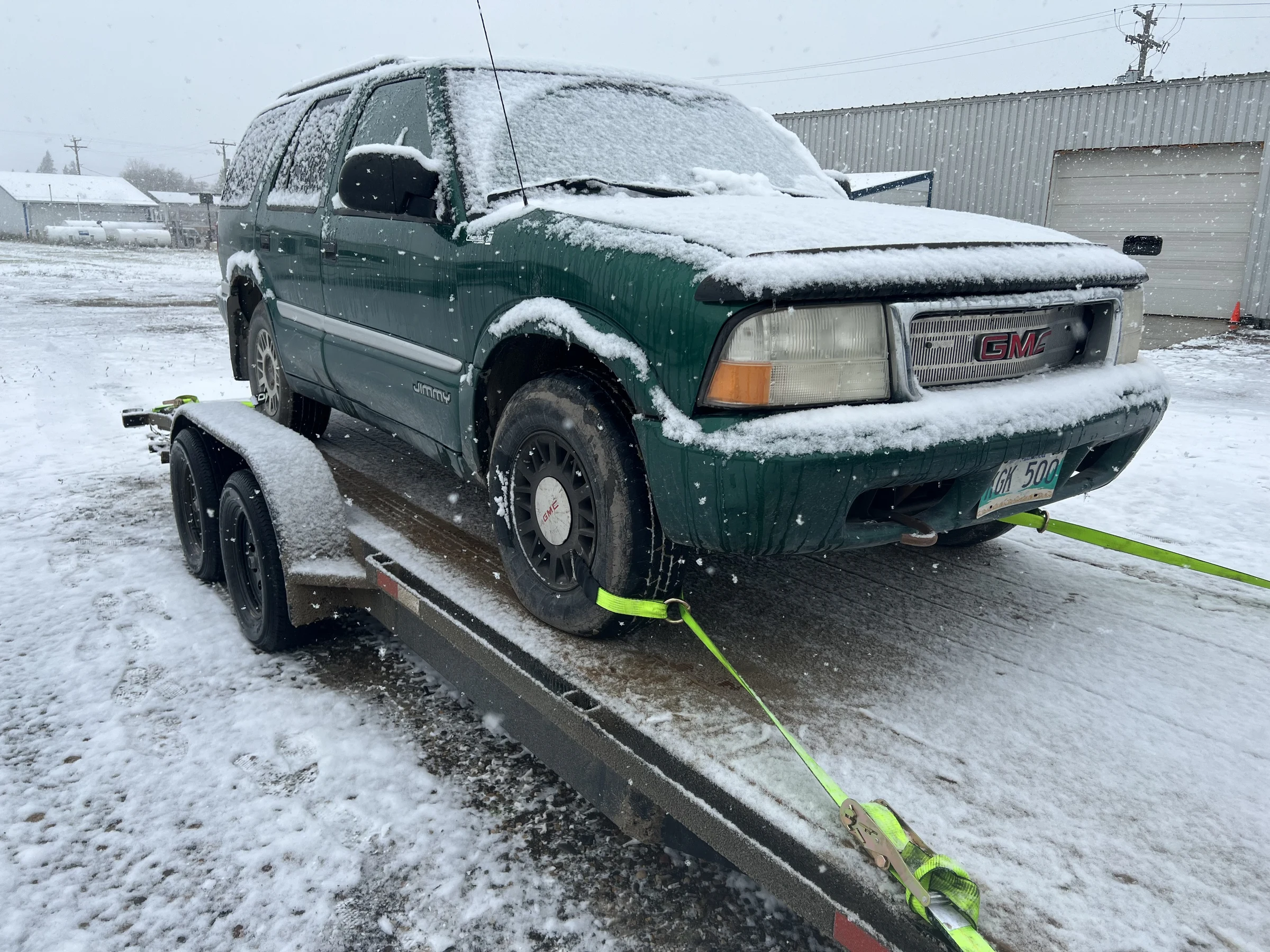
Yes. Twin Rivers Auto Recycling can consider farm equipment and implements, including machinery that has been sitting unused in a treeline, yard, shed area, or behind a farm property. The TRA team will need to know what the equipment is, where it is located, and roughly how it can be accessed. Farm equipment is different from a standard vehicle pickup, so the item, site conditions, and loading requirements matter before a plan is made.
If you have an old implement near Niverville, Steinbach, Île-des-Chênes, or another southern Manitoba community, contact Twin Rivers Auto Recycling with the details. A clear description and a few useful photos can help the team understand what is on site and whether the request can be handled as part of a planned route.
What kind of farm equipment can you ask about?
The verified service includes farm equipment and implements that have been left unused or stored for years. That may include machinery in poor condition, equipment affected by rust, or items that are no longer practical to repair. The important first step is to describe what you have rather than assuming it is too old, too rough, or too difficult to move.
When you contact the TRA team, explain:
- What the item is, such as a piece of machinery or an implement.
- Whether it is complete, partly dismantled, or missing components.
- How long it has been sitting and whether rust or weather exposure is an issue.
- Whether it is on a farmyard, in a field, beside a treeline, or in another location.
- Whether there is a clear approach for the equipment and any space needed for loading.
Why location and access matter
Farm equipment is often stored away from a paved driveway or a regularly used yard. An implement may be behind other machinery, in soft ground, close to a fence, or partly overgrown. These details can affect how the TRA team reviews the request and whether a pickup can be planned safely.
Give the exact property location or a map pin, along with practical directions from the nearest known road. Mention gates, narrow approaches, soft ground, slopes, overhead obstacles, or anything else that could affect access. Honest information at the start is better than arranging a visit without knowing what the site involves.
For rural properties around Morris, Lowe Farm, St. Malo, La Broquerie, or St-Pierre-Jolys, the site details are especially useful because equipment may be located well back from the road. The same applies to requests farther out, including Morden, Winkler, Portage la Prairie, or Lac du Bonnet.
Farm equipment is not the same as a vehicle
Twin Rivers Auto Recycling is an end-of-life-vehicle buyer, and the service also includes farm equipment and implements. However, a farm implement should not be described as though it were an ordinary car or truck. It may not have wheels that roll freely, a usable steering system, working hydraulics, or a key. It may also be too large or awkward for the equipment used for a typical vehicle pickup.
That is why the TRA team needs a straightforward description before discussing the request. Tell the team if the item is seized, partly buried, dismantled, or blocked in. Do not move heavy machinery or attempt a risky recovery just to make it easier to collect. The team can review the details and explain what information is needed next.
What information should you send?
A short message with the right details can make the first conversation more useful. If possible, include several photos showing the whole item and the surrounding area. A close-up can show identification markings or the condition of an important part, while a wider photo can show the approach and available working space.
- Describe the equipment or implement in plain language.
- State the community and the property location.
- Explain whether it is accessible from the road or requires access through the yard or field.
- Note whether it rolls, is attached to something else, or is partly dismantled.
- Share photos that show the item, its condition, and the route to it.
- Say whether there are other vehicles or equipment on the same property.
If a farm property also has old cars, trucks, vans, or work vehicles, mention those at the same time. Twin Rivers Auto Recycling handles non-running vehicles, vehicles without keys, and vehicles with missing paperwork. A farmyard cleanup may involve more than one type of item, so giving the full picture helps the TRA team understand the request.
Can the TRA team pick up equipment from a farm property?
The answer depends on the item and the site. The team will need to review the equipment, the access, and the current route before confirming what can be done. Do not assume that an item is accepted solely because it is made of metal, and do not assume that age or rust automatically rules it out. Send the details first.
Free pickup on most vehicles applies to vehicles, not automatically to every farm implement or piece of machinery. Equipment requests should be discussed separately so the TRA team can consider the item and loading conditions accurately. No price or collection arrangement should be assumed before the details have been reviewed.
Serving farms and rural properties from Niverville
Twin Rivers Auto Recycling is based in Niverville and serves communities across southern Manitoba. The service area includes nearby places such as Steinbach, Landmark, St. Adolphe, Ste. Agathe, and Île-des-Chênes, as well as Winnipeg, La Salle, Headingley, Stonewall, Selkirk, Beausejour, Oakbank, and other listed communities.
For a farm equipment or implement request, contact the TRA team at 431-444-CARS (2277). Tell them what is sitting on the property, where it is located, and what access looks like. If the item is in Niverville or elsewhere in the confirmed service area, the team can review the information and let you know what details are needed to assess the request.