Farm Equipment and Implements: Can Twin Rivers Auto Recycling Buy Them?
By Twin Rivers Auto Recycling · 9 October 2026
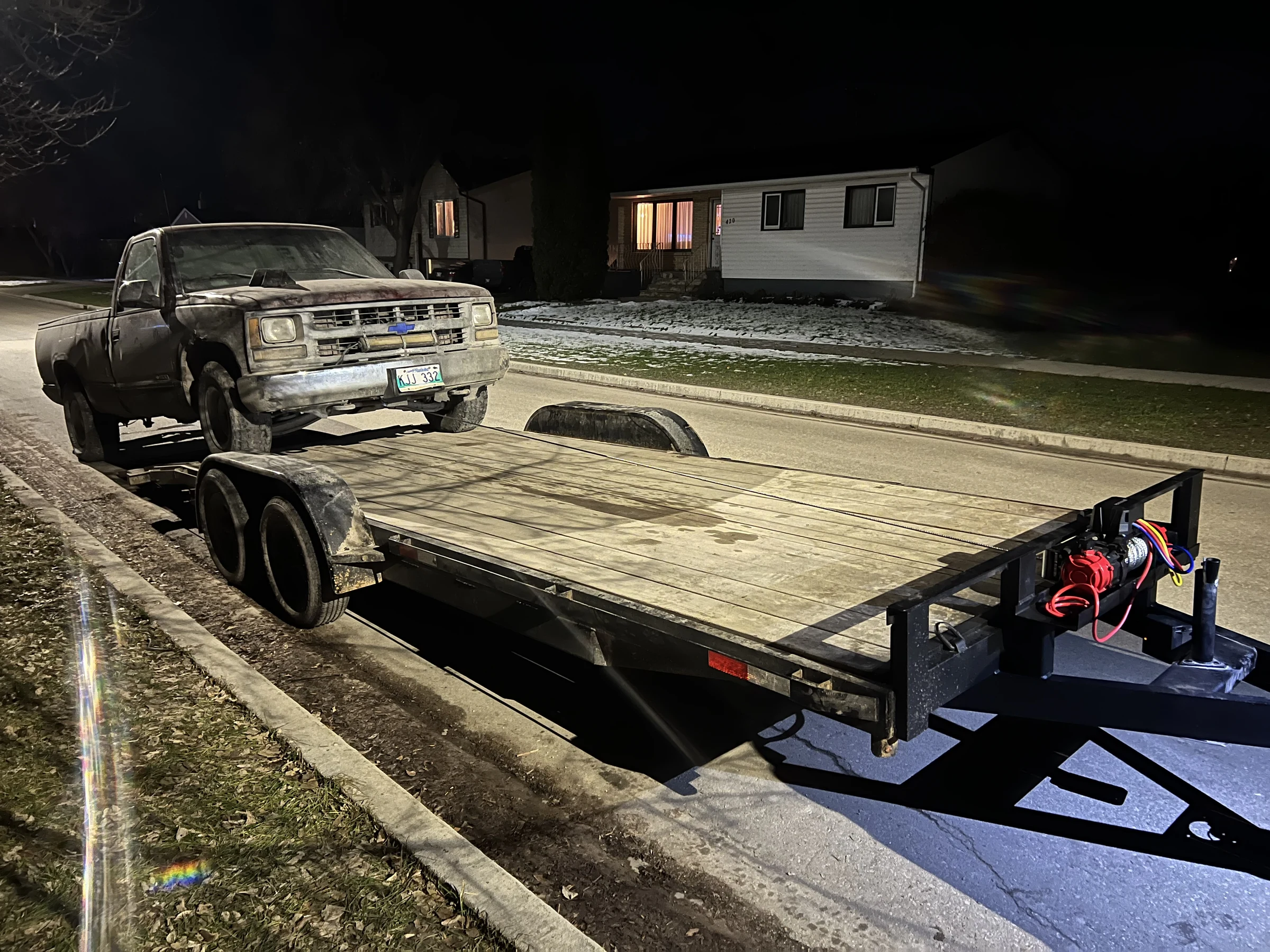
Yes, Twin Rivers Auto Recycling may be able to buy old farm equipment and implements, including machinery that has been sitting unused in a yard or treeline for years. The TRA team needs to know what is on site, where it is located, and whether there is enough access to inspect and load it. Because every piece of equipment is different, the best first step is to describe what you have and send clear photos if possible.
This service is useful for Manitoba farms, acreages, and rural properties where unwanted equipment has become part of the landscape. A machine does not necessarily need to be running or ready for regular use to be worth asking about. If it is seized, badly rusted, incomplete, or difficult to move, include those details when you contact the team.
What kind of farm equipment should you ask about?
Farm equipment and implements can include many different types of machinery. The TRA team can review information about items such as:
- Older machinery that has been parked for years
- Implements stored in a treeline, behind a barn, or at the edge of a field
- Equipment that is heavily rusted or no longer operational
- Machines with missing parts or uncertain ownership paperwork
- Multiple pieces that need to be cleared from the same property
Do not assume an item is automatically unsuitable because it has not moved in a long time. At the same time, do not assume every tractor, implement, or attachment can be accepted without review. The description, condition, location, and access all matter.
What information helps the TRA team review it?
A short, accurate description makes the first conversation more useful. If you are contacting Twin Rivers Auto Recycling about farm equipment, gather as much of the following as you can:
- The type of machine or implement, if known
- The make, model, or approximate age, if visible
- Whether it runs, rolls, or is seized in place
- Whether tires, wheels, or other major parts are missing
- The number of items you want removed
- The community or rural address where the equipment sits
- How a truck or loading equipment could reach it
Photos are particularly helpful when an item is behind a building, partly hidden by brush, or mixed in with other equipment. Take a wide photo showing the surroundings and closer photos of identifying details. If there are several items, label them in your message or explain which ones you want the TRA team to review.
Does the equipment need to be running?
No assumption should be made that farm equipment must start before you ask. Twin Rivers Auto Recycling already handles vehicles that are non-running, seized, rusted, or missing keys. Farm equipment is reviewed separately based on what it is and how it can be accessed, but a long-idle or non-operating machine is still worth describing.
Be direct about the condition. Tell the TRA team if the equipment is:
- Buried in long grass, brush, or snow
- Rusty or partly dismantled
- Missing wheels, tires, keys, or other components
- Blocked by fencing, buildings, vehicles, or stored materials
- Unable to roll or likely to require special handling
Accurate details help avoid confusion about what is being reviewed and what may be involved in moving it.
Why access and loading space matter
Farm equipment often sits in places that were never intended for removal trucks. A piece may be beside a shed, down a narrow lane, at the back of a field, or surrounded by other stored items. The TRA team needs a realistic picture of the approach before discussing the next step.
When describing the property, explain:
- Whether the access road is passable for the required vehicle
- Whether the equipment is on firm ground or in soft soil
- Whether there is room to turn, position, or load
- Whether gates, overhead branches, hydro lines, or fencing affect access
- Whether someone will be available to identify the equipment on site
Do not move heavy equipment yourself just to make it easier to discuss. Share the current conditions first. A clear map pin, directions from a nearby road, and photos of the approach can be more useful than a general community name alone.
Can several pieces be reviewed together?
Yes, tell the TRA team if you are clearing more than one item. A rural property may have an old machine, several implements, and unwanted metal stored in different areas. Listing everything at the beginning gives the team a fuller picture of the job.
Make a simple inventory with one line per item. Include the location on the property and whether it is complete, partly dismantled, or mixed with other material. If an entire yard or farm area is being cleared, say so clearly. That is different from asking about one easily accessible item and may require a different review of the site and loading plan.
Farm equipment pickup in southern Manitoba
Twin Rivers Auto Recycling is based in Niverville and works across southern Manitoba. The service area includes nearby communities such as Steinbach, Île-des-Chênes, Landmark, St. Adolphe, Morris, Ste. Agathe, Lowe Farm, St. Malo, La Broquerie, and St-Pierre-Jolys. The TRA team also reviews requests from Winnipeg, La Salle, Headingley, Morden, Winkler, Oakbank, Selkirk, Stonewall, Beausejour, Lac du Bonnet, and Portage la Prairie.
Route planning depends on the exact property, site conditions, and current workload. For that reason, provide the full address or a reliable map location rather than only the nearest town. The team can then review what is on site and whether the equipment or implements are suitable for discussion.
To ask about old farm equipment, implements, or a mixed rural cleanup, contact Twin Rivers Auto Recycling at 431-444-CARS (2277). Describe the equipment, its condition, and how it can be reached. If you are also asking about an unwanted vehicle, note that free pickup is available on most vehicles. Farm equipment should be discussed separately so the TRA team can review the details honestly.