Catalytic Converter Theft and What It Means for a Scrap Vehicle in Manitoba
By Twin Rivers Auto Recycling · 24 September 2026
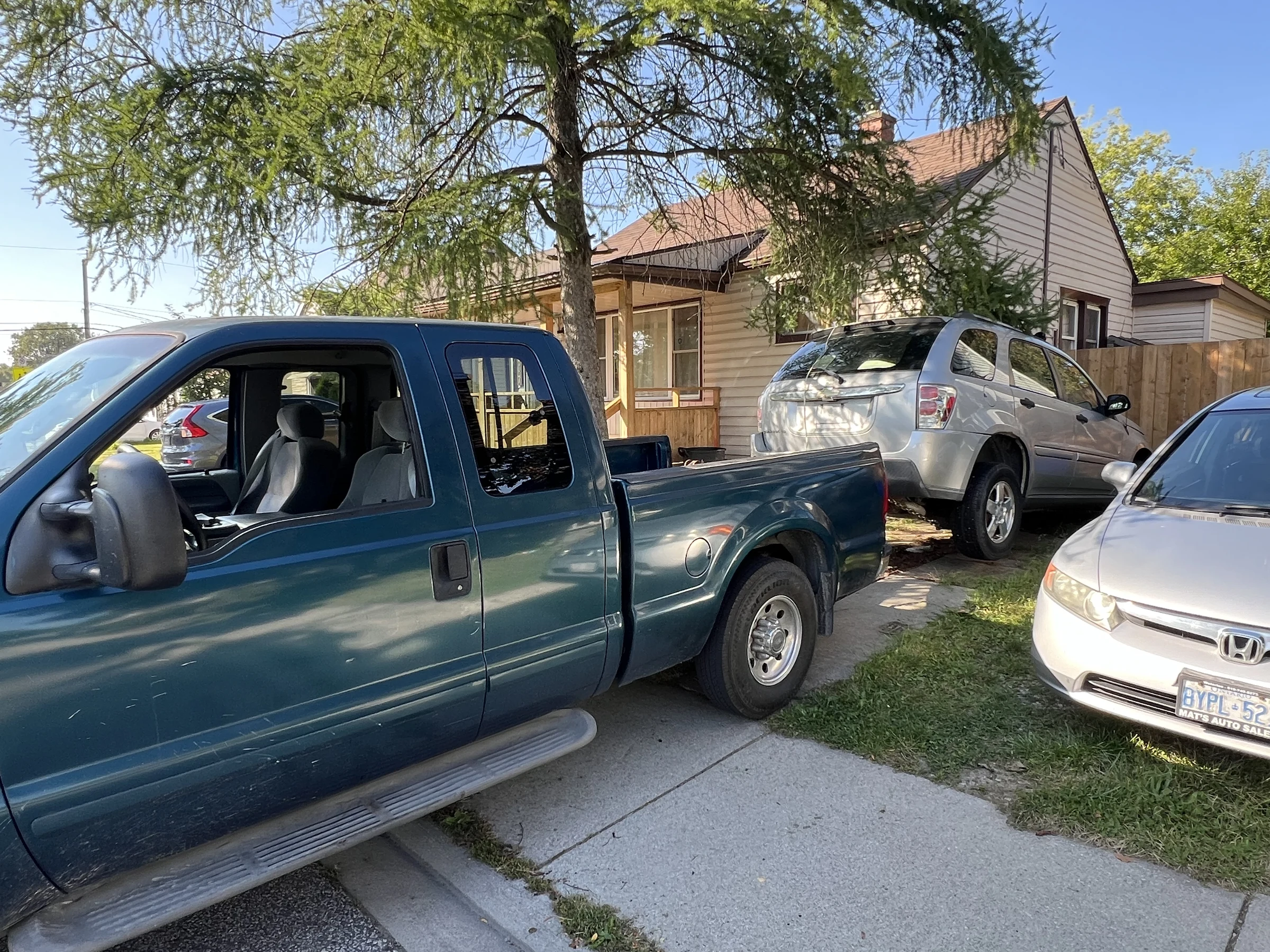
If your vehicle has had its catalytic converter removed, it may still have a place in the scrap vehicle market, but the missing part can affect how the vehicle is assessed. Do not try to sell a suspicious converter or remove one from another vehicle. Report suspected theft to the police and your insurer, then ask a legitimate vehicle buyer what information and documents are needed.
Twin Rivers Auto Recycling buys end-of-life vehicles across southern Manitoba, including Niverville, Steinbach, Winnipeg, Morden and other nearby communities. The TRA team can review a vehicle that no longer runs or has no keys, but each vehicle still needs to be assessed on its condition, completeness, ownership and pickup access.
Why catalytic converters matter in the scrap vehicle market
A catalytic converter is part of a vehicle’s exhaust system. Some converters can have scrap value because of the materials inside them, which is one reason stolen converters may be targeted. That does not mean every converter has the same value, or that a missing converter automatically determines the value of the whole vehicle.
For an end-of-life vehicle, the converter is only one part of the assessment. Other factors may include:
- Whether the vehicle is complete or has other major parts missing
- The vehicle’s general condition and age
- Whether it runs, rolls or is seized
- Whether keys and ownership paperwork are available
- How easily the vehicle can be reached and loaded
- Whether other vehicles or equipment are being cleared at the same time
A vehicle with a cut exhaust may still be suitable for recycling. However, the only reliable way to discuss it is to provide accurate details rather than assuming the vehicle has no remaining value.
What to do after a catalytic converter is stolen
Safety and documentation should come before arranging a scrap pickup. If you discover that a converter is missing, avoid inspecting underneath the vehicle while it is supported only by an emergency jack. Do not confront anyone you suspect of removing it.
- Photograph the damage, including the cut exhaust and the surrounding area.
- Write down when the vehicle was last seen intact and where it was parked.
- Report the theft to the police and keep the report information.
- Contact your insurer if the vehicle is insured for the loss.
- Ask a recycling or repair business whether the vehicle should be repaired, claimed or recycled.
If the vehicle has already been written off, is not economical to repair or has been sitting unused, a scrap vehicle assessment may be more practical than arranging a repair. Keep any paperwork connected with the vehicle and be clear about what has been removed.
Can a scrap buyer take a vehicle with the converter missing?
That depends on the vehicle’s overall condition and the pickup details. A missing catalytic converter is different from a vehicle that is simply non-running. The TRA team handles vehicles that are seized, blown, rusted to the frame or missing the key they came with, but missing parts should be disclosed when you request a quote.
Useful details to provide include:
- The make, model and approximate year
- Whether the catalytic converter is missing or damaged
- Whether the vehicle starts, rolls or is seized
- Whether keys are available
- Whether ownership paperwork is available
- The vehicle’s exact location and the space available for loading
Clear information helps prevent an unexpected change in the assessment when the vehicle is inspected. It also helps the TRA team decide how the vehicle can be loaded safely.
Why removing a converter before selling a vehicle can backfire
Removing a converter from your own vehicle may seem like a way to separate parts, but it can make the vehicle harder to assess and may create additional damage. Cutting the exhaust can leave sharp edges and may affect how the vehicle is handled during loading. It can also make it more difficult to determine whether the vehicle was damaged before it reached the buyer.
Never remove a converter from a vehicle that is not yours. A converter offered without a clear source may raise ownership and theft concerns. Legitimate recycling starts with a vehicle and ownership history that can be explained.
If a repair shop has already removed the converter during a repair estimate, keep the invoice or work order. That record may help explain what happened when you discuss the vehicle with an insurer or recycler.
How other missing parts affect an end-of-life vehicle
Catalytic converter theft is not the only issue that can change a scrap vehicle assessment. A vehicle may also be missing wheels, batteries, body panels, keys or other parts. It may have been sitting in a yard, field or driveway for years, or it may be difficult to reach with loading equipment.
These details do not automatically rule out pickup. They do affect planning. Tell the buyer if the vehicle is:
- Behind another vehicle or structure
- On soft ground or in a narrow driveway
- Unable to roll or steer
- Missing wheels or other equipment needed for loading
- Part of a larger yard, fleet or farm-equipment cleanup
Twin Rivers Auto Recycling also reviews non-running and no-key vehicles, fleet and commercial clear-outs, and farm equipment. The correct answer depends on the specific site and vehicle rather than the missing converter alone.
Getting a local assessment in southern Manitoba
If your vehicle is in Niverville, start with the vehicle details, ownership information and a few clear photos. The TRA team also works across the surrounding area, including Steinbach, Île-des-Chênes, St. Adolphe, Landmark, Winnipeg, Morris, Oakbank, Selkirk, La Salle, Stonewall and communities in the Pembina Valley.
When you contact Twin Rivers Auto Recycling, mention the missing catalytic converter at the beginning of the conversation. Explain whether the vehicle runs, whether it rolls, whether keys are available and where it is parked. Free pickup is available on most vehicles, subject to the vehicle and access details.
To discuss an end-of-life vehicle, call Twin Rivers Auto Recycling at 431-444-CARS (2277) or request a pickup quote through the business website. Honest information about the vehicle helps the TRA team give you a useful next step without guessing.