Catalytic Converter Theft and What It Means for a Scrap Vehicle in Manitoba
By Twin Rivers Auto Recycling · 1 October 2026
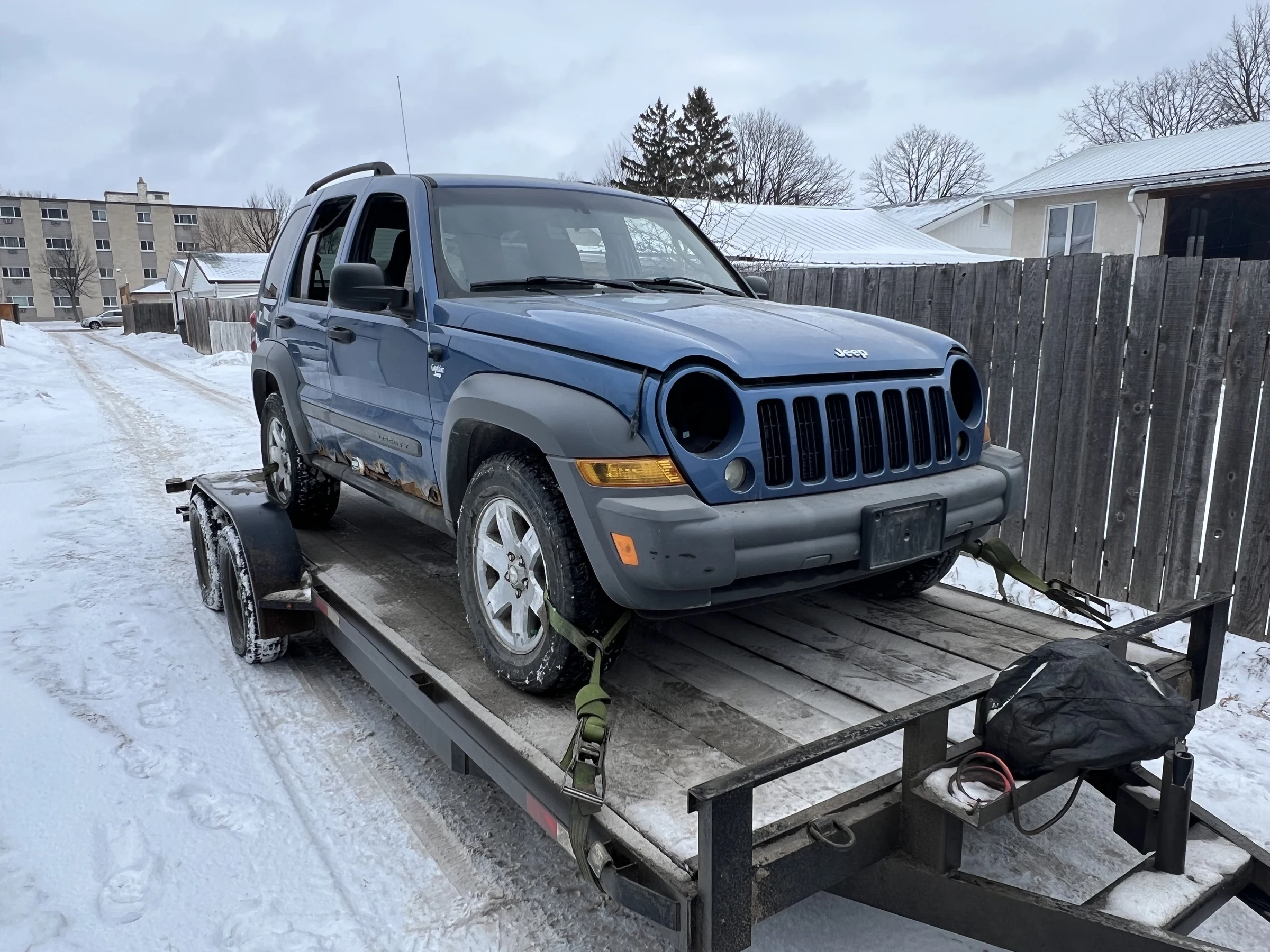
If a catalytic converter has been stolen from your vehicle, the car may still have value in the scrap vehicle market. The missing part is important information for any buyer, but it does not automatically mean the vehicle must be repaired before you ask for an assessment. Twin Rivers Auto Recycling reviews the vehicle’s overall condition, location, access and paperwork before arranging the next step.
This guide explains what to do after a converter theft, what information to provide, and how the missing part can affect the recycling process in Niverville, Winnipeg and surrounding Manitoba communities.
What a stolen catalytic converter changes
A catalytic converter is part of a vehicle’s exhaust system. When it is removed, you may notice a loud exhaust noise, visible cut sections under the vehicle or other damage around the exhaust components. The vehicle may also be difficult or unpleasant to drive.
For a scrap vehicle buyer, the key point is that the vehicle is no longer complete in the same condition it was before the theft. The converter may have been removed, and the exhaust system, wiring or nearby parts may also need to be checked. That information helps the buyer understand what is actually sitting on the property.
You do not need to repair every missing or damaged part before asking about recycling. Be straightforward about what happened. A vehicle with a missing converter can still be discussed as a scrap or end-of-life vehicle, depending on the complete details.
What to do before contacting a scrap vehicle buyer
Start by recording the vehicle’s current condition. Clear information makes it easier to decide whether recycling or repair is the more sensible option.
- Take photographs of the missing converter and any visible exhaust damage.
- Note whether the vehicle starts, rolls or has working wheels.
- Check whether the keys are available.
- Gather the ownership paperwork if you have it.
- Record the vehicle’s make, model and approximate location.
- Describe whether it is in a driveway, yard, garage or another area with restricted access.
If the theft is recent, you may also want to follow the reporting and insurance steps that apply to your situation before arranging removal. Keep copies of any documents that may be relevant to the vehicle’s ownership or condition.
How the scrap vehicle market looks at the vehicle
A scrap vehicle is not assessed on one part alone. The missing converter is one condition detail among several. The vehicle’s body, remaining components, weight, completeness, access and paperwork can all affect how a buyer reviews it.
This is why two vehicles with similar converter damage may not receive the same assessment. One may be easy to load and have its ownership documents ready. Another may be non-running, rusted to the frame, blocked in a yard or missing keys. Those practical differences matter when planning removal.
Twin Rivers Auto Recycling handles vehicles that are non-running or have no keys. A vehicle does not need to start, and in some cases it does not need to roll. However, the TRA team needs an honest description of the site and the vehicle so the right loading approach can be considered.
What information to include in a pickup request
When you contact Twin Rivers Auto Recycling, explain the converter theft at the beginning rather than waiting until the vehicle is being loaded. Include enough detail for the TRA team to understand the job.
- State that the catalytic converter is missing.
- Identify any other visible damage or missing parts.
- Say whether the vehicle runs, rolls and has keys.
- Explain whether ownership paperwork is available.
- Provide the exact pickup address and any useful directions.
- Describe gates, narrow driveways, soft ground, parked vehicles or other access concerns.
- Send photographs when requested or when they would clarify the condition.
If several vehicles are being cleared from a farm, business or yard, list them together. Twin Rivers Auto Recycling also reviews fleet and commercial vehicles, work trucks, vans and multi-unit lots. A complete list can make it easier to discuss the whole job instead of treating each vehicle as a separate question.
Repair or recycle after converter theft?
The right choice depends on the vehicle, the damage and your plans for it. Repair may make sense when the vehicle is otherwise suitable for continued use. Recycling may be more practical when the vehicle already has serious rust, mechanical problems, long-term storage damage or other issues.
Consider these questions:
- Was the vehicle already being kept off the road before the theft?
- Are there additional exhaust, wiring or underside repairs?
- Does the vehicle start and move under its own power?
- Are the ownership documents available?
- Would repair solve the problem, or would it only address one part of a larger list?
- Is the vehicle occupying space that you need back?
You do not have to decide based on the converter alone. Describe the complete situation and ask what information is needed to review the vehicle for recycling.
Local vehicle recycling across southern Manitoba
Twin Rivers Auto Recycling is based in Niverville and serves vehicle owners across southern Manitoba. The TRA team arranges pickups based on the confirmed address, route and property access. Service areas include Steinbach, Île-des-Chênes, St. Adolphe, Landmark, Winnipeg, Morden, Morris, Oakbank, Selkirk, Winkler, La Salle, Stonewall, Beausejour, Ste. Agathe, Lowe Farm, Headingley, St. Malo, La Broquerie, St-Pierre-Jolys, Lac du Bonnet and Portage la Prairie.
Free pickup is available on most vehicles. The vehicle does not have to be running, and missing keys may not prevent a conversation. Missing paperwork is also not always the end of the process, so ask before assuming the vehicle cannot be handled.
For a local review, contact Twin Rivers Auto Recycling at 431-444-CARS (2277). Tell the TRA team that the catalytic converter is missing, then provide the vehicle details, address and access information. That gives you a clearer answer about the next step than guessing from the theft damage alone.