Selling a Car That Failed Safety Inspection in Manitoba
By Twin Rivers Auto Recycling · 9 September 2026
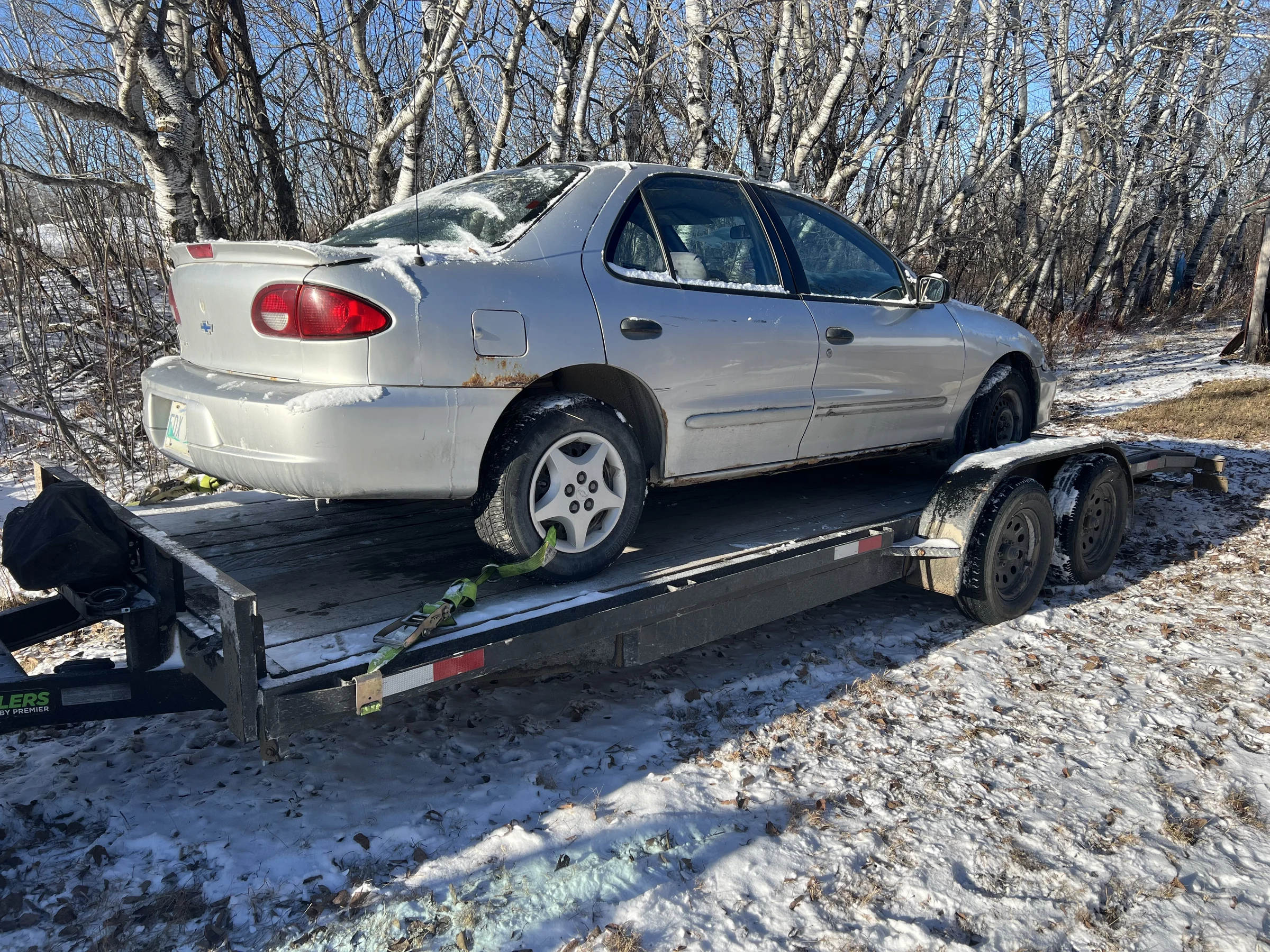
Yes, you can still sell a vehicle that failed a safety inspection in Manitoba. The important part is to be clear about its condition and choose the right next step: repair it, sell it as-is, or arrange recycling if the repairs do not make financial sense. A failed inspection does not automatically mean the vehicle has no value.
Before making a decision, review the inspection report, consider the likely repair cost, and think about how the vehicle will be moved safely. If the car is not roadworthy, do not drive it simply to get it to a buyer. The TRA team can discuss pickup options for vehicles that are not running, have no keys, or cannot roll.
What a failed safety inspection means for the sale
A failed inspection tells you that the vehicle did not meet the inspection requirements at the time it was checked. The report should identify the items that need attention. Some problems may be manageable repairs, while others may involve major rust, structural damage, engine trouble, or several smaller issues adding up to a large bill.
For a seller, the key point is disclosure. Tell potential buyers that the vehicle failed inspection and provide the inspection information you have. Avoid describing it as ready to drive or roadworthy if it is not. Clear information helps you compare realistic options and reduces confusion during the sale.
Review the inspection report before deciding
Do not make the decision based only on the word “failed.” Read the complete report and separate the issues into practical categories:
- Safety-related repairs: Items that must be corrected before the vehicle can pass a later inspection.
- Mechanical condition: Problems with the engine, transmission, brakes, steering, suspension, or other major systems.
- Body and rust: Corrosion or damage that may be expensive or difficult to repair properly.
- Overall condition: Mileage, previous damage, missing parts, tire condition, and whether the vehicle starts or rolls.
If you are unsure what an item on the report means, ask the inspection facility or a qualified repair professional to explain it. You do not need to approve every repair immediately. First, work out whether repairing the vehicle is sensible compared with selling it as-is.
Repair it or sell it as-is?
Repairing the vehicle may make sense when the work is limited, the rest of the car is in good condition, and you need a vehicle that can pass inspection. Selling may be more practical when the repairs are extensive, the vehicle has serious rust, or it has already been sitting for a long time.
Use this simple comparison:
- List the repairs shown on the inspection report.
- Ask for a repair estimate if the work is not clear.
- Consider the vehicle’s age, condition, and other known problems.
- Decide whether you want to manage the repair process or sell the vehicle in its current state.
- Be honest about the failed inspection when contacting a buyer.
There is no single right answer for every Manitoba vehicle. A newer car with a smaller repair list may be worth fixing. An older, heavily rusted, damaged, or non-running vehicle may be better suited to an auto recycler.
How to prepare a vehicle for an as-is sale
Have the useful details ready before you contact a buyer. This makes it easier to understand whether the vehicle can be picked up and what equipment may be needed.
- Year, make, model, and approximate mileage.
- The items listed on the failed inspection report.
- Whether the engine starts.
- Whether the vehicle rolls, steers, and can be loaded.
- Whether keys are available.
- Any major rust, collision damage, missing parts, or fluid leaks.
- The vehicle’s location and any driveway, yard, gate, or access details.
- The ownership paperwork you have available.
Missing paperwork does not always mean the situation is stuck. Ask about it before assuming the vehicle cannot be sold. The TRA team can also discuss vehicles with missing paperwork, but sharing the details early is important.
Moving a vehicle that failed inspection
A failed vehicle should be moved according to its actual condition, not simply driven because it starts. A car may start and still have unsafe brakes, steering, tires, suspension, or structural problems. If it does not run, does not roll, or has no keys, tell the buyer before pickup arrangements are made.
Twin Rivers Auto Recycling handles vehicles that are seized, blown, badly rusted, missing keys, or unable to roll. Free pickup on most vehicles is available. The TRA team will need accurate information about the vehicle and the property so the pickup can be considered properly.
Selling to Twin Rivers Auto Recycling in southern Manitoba
Twin Rivers Auto Recycling is based in Niverville and buys vehicles for recycling across southern Manitoba. Pickup areas include Steinbach, Île-des-Chênes, St. Adolphe, Landmark, Winnipeg, Morden, Morris, Oakbank, Selkirk, Winkler, La Salle, Stonewall, Beausejour, Ste. Agathe, Lowe Farm, Headingley, St. Malo, La Broquerie, St-Pierre-Jolys, Lac du Bonnet, and Portage la Prairie.
The TRA team buys vehicles whether they are running or not, with keys or without keys. If your vehicle failed inspection and you do not want to repair it, provide the inspection details, vehicle location, access information, and paperwork status when you contact the team.
What to do next
Start with the inspection report and decide whether the vehicle is worth repairing. If not, gather the vehicle details and arrange a safe way to move it. For a vehicle that failed inspection, is no longer wanted, or cannot be driven safely, contact Twin Rivers Auto Recycling for a pickup quote.
Call 431-444-CARS (2277) or contact the TRA team with the vehicle’s condition and location. From Niverville and Steinbach to Winnipeg and the surrounding service area, clear information helps the team assess the pickup properly.